
Devin Marsh, Editor
I grew up with a Game Boy in my coat pocket, and these days my desk drawer holds a small pile of chargers for handhelds I keep reading about. This site is the comparison I wanted when I started looking: one place where a Miyoo, an Anbernic and a Retroid line up on the same rows.
My job here is mostly reading. A handheld only joins the catalogue when its maker publishes enough to compare it: the chip, the screen, the battery, the controls and a public US price. I read the product page, the spec table and the store listing, and I note what each brand leaves out.
Chips get the most attention. Two handhelds can share a chip under different names, and a single letter in a model name can mean a whole different processor. I place every chip in one of the emulation classes of our methodology, so a reader can see at a glance what a handheld is built to play.
Prices change fast in this market. Every price on the site carries the day it was read, and the rankings only move after a fresh pass on Amazon and the official stores.
What I cover
- Linux and Android retro handhelds
- Chips and emulation classes
- Screens, scaling and aspect ratios
- FPGA cartridge consoles
- Dated US prices and store availability
How I work
- I start from the brand's own product page and spec table, never from a marketplace title.
- Every chip goes into the same public emulation table, so two handhelds are judged on one scale.
- A price without a date is useless, so every price on the site shows the day it was checked.
- When a brand does not publish a figure, the page says not stated instead of guessing.
Devin's guides
Written
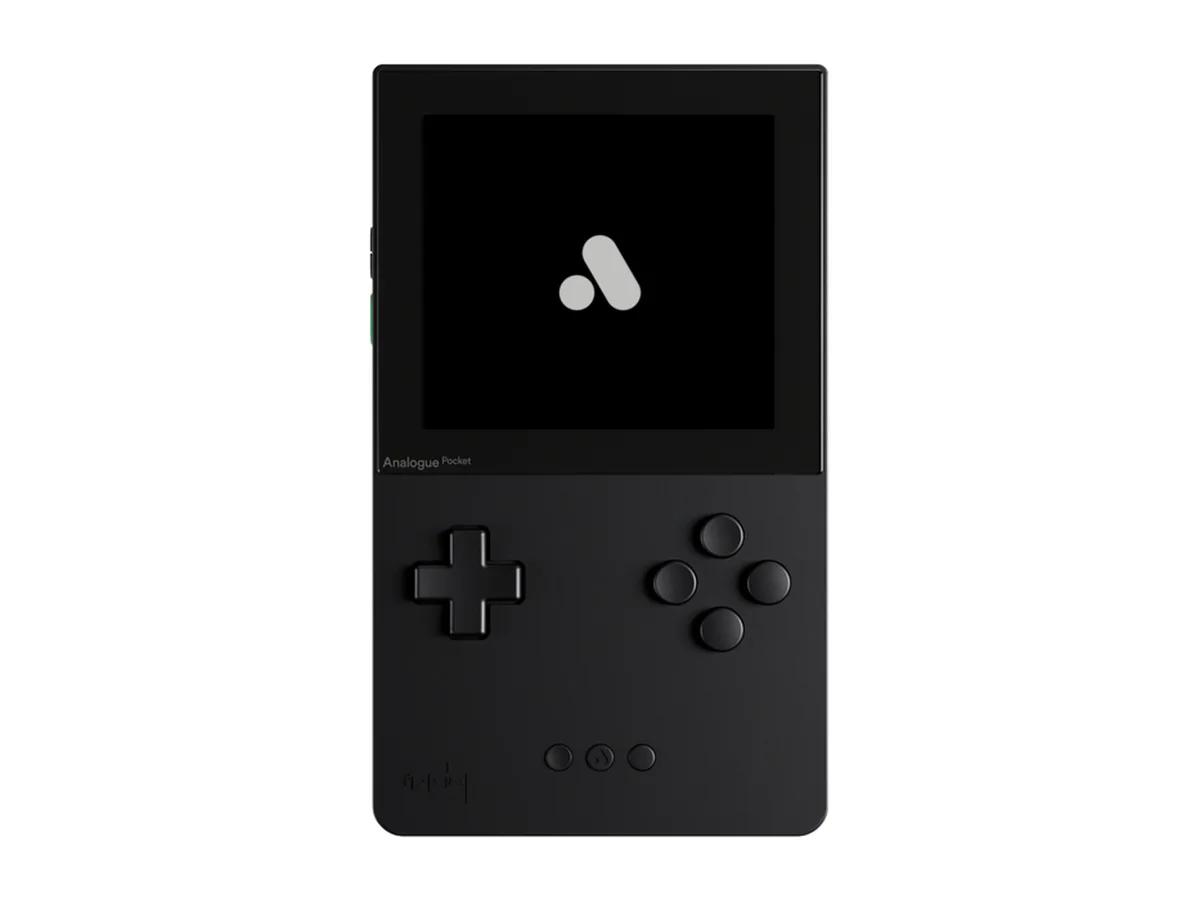
Are retro handhelds legal? How to play your own games
Retro handhelds and emulators are legal in the US. Here is what is not, and the legitimate ways to fill one: your carts, your discs, homebrew.
Read the guide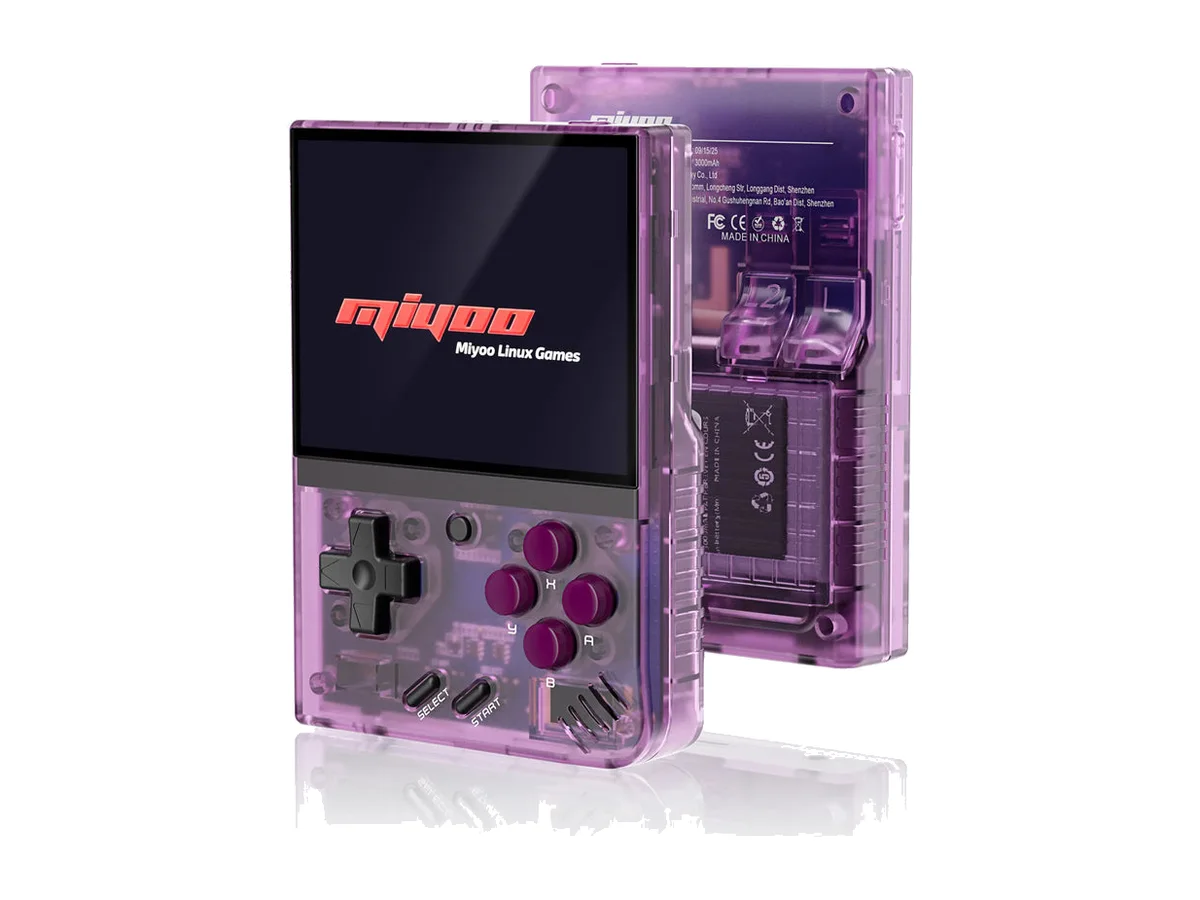
Linux vs Android handhelds: which one should you buy?
Linux or Android retro handheld? Price, emulation power, battery, setup and software compared, with US prices and the best model in each camp.
Read the guide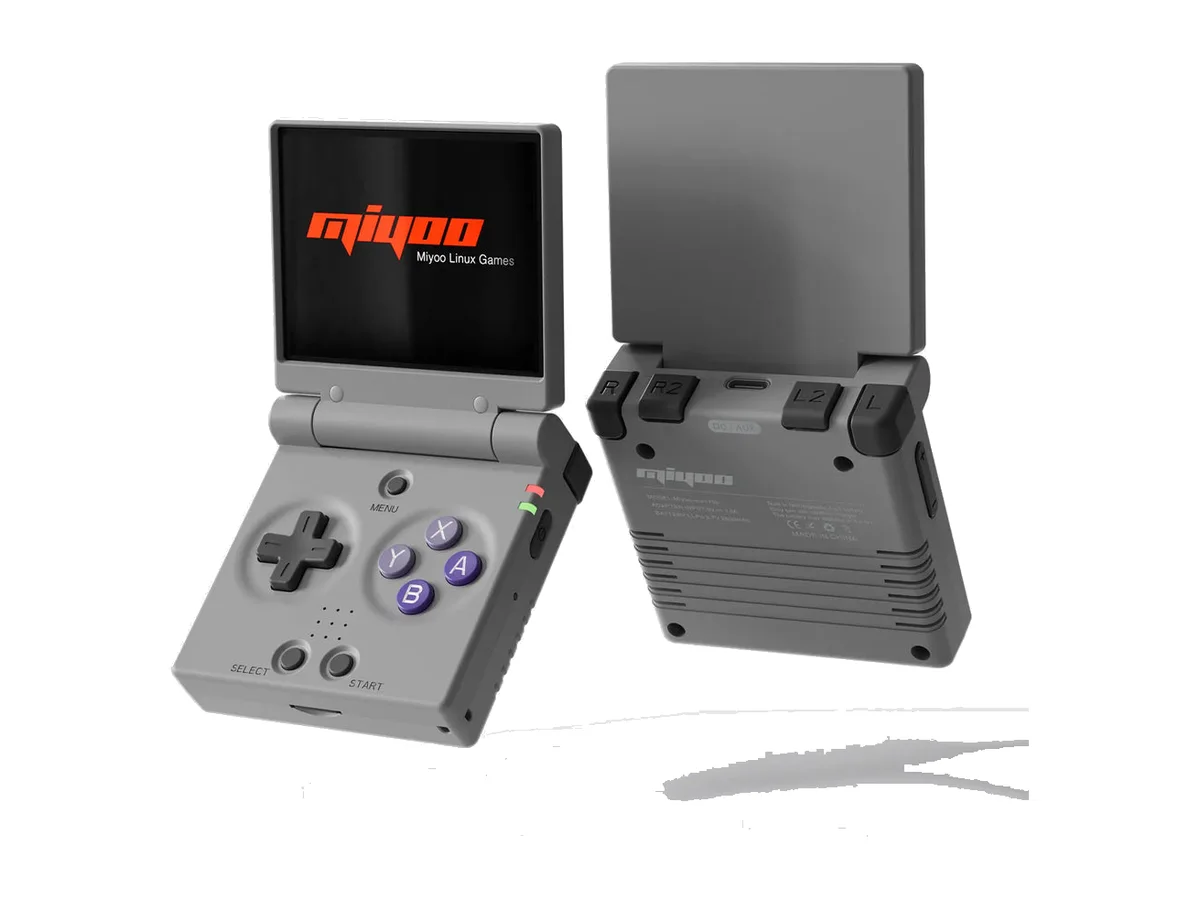
What can a retro handheld emulate? Chip by chip
From Game Boy to PS2: which systems each retro handheld chip can run, explained with our emulation classes and the handhelds that fit each one.
Read the guide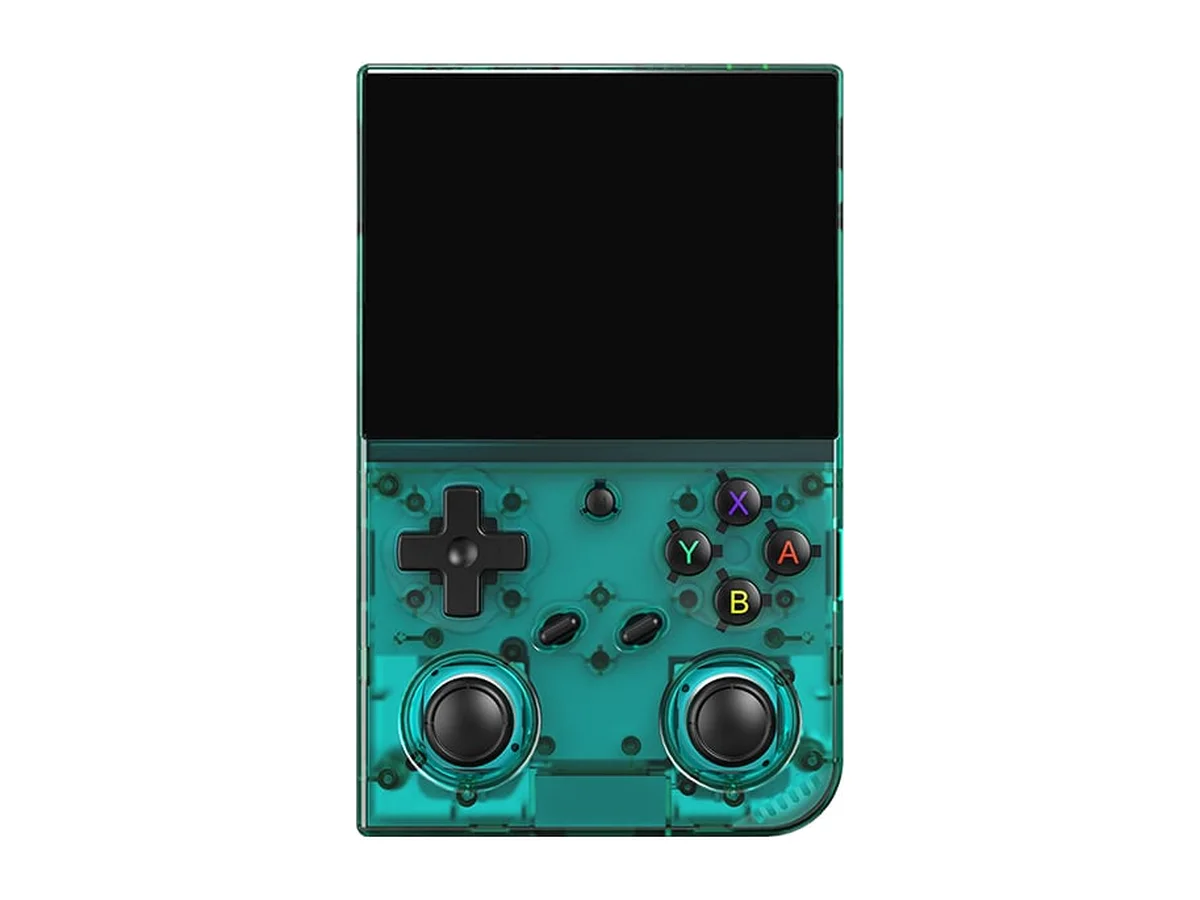
Best SD card for a retro handheld: what to look for
Which microSD card for a retro handheld? Capacity per system, speed ratings that matter, brands to trust and the mistakes that corrupt saves.
Read the guide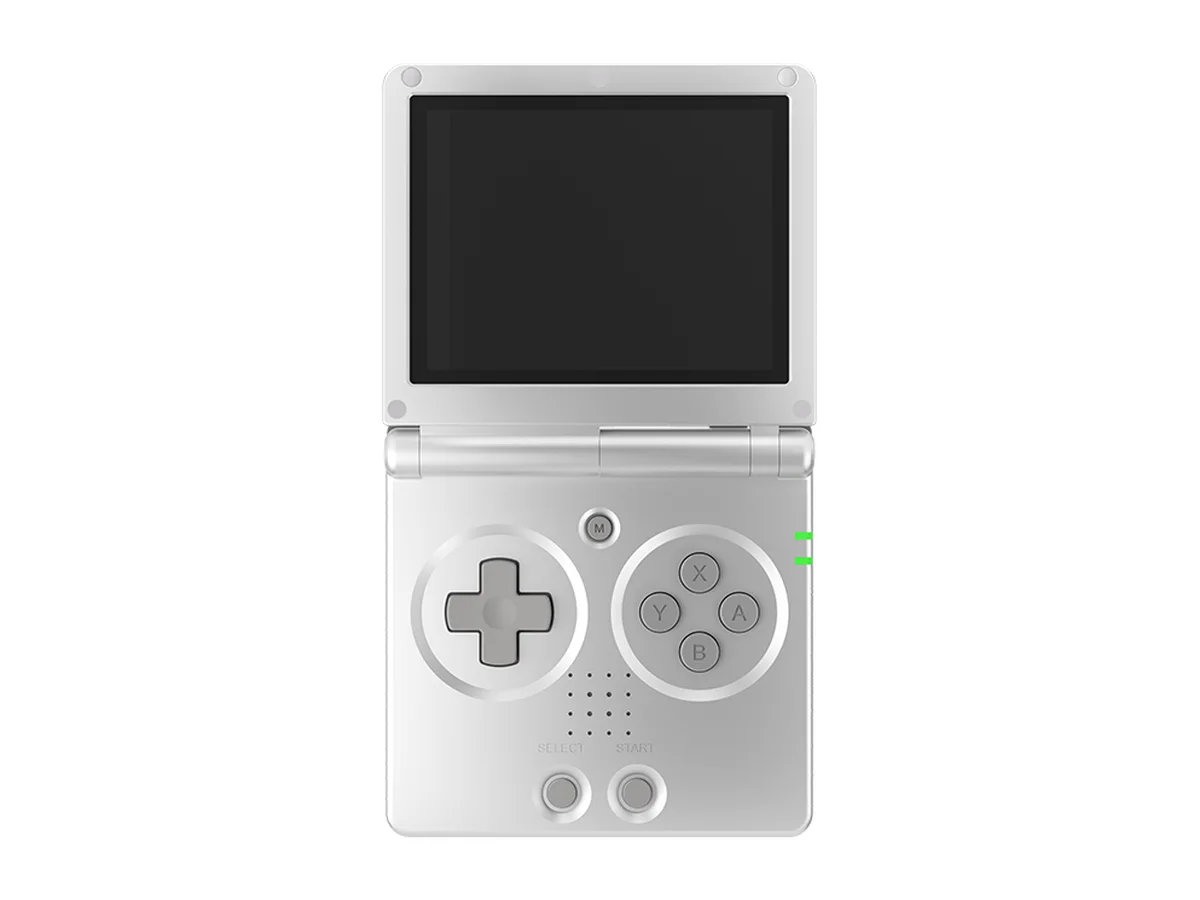
Custom firmware for retro handhelds, explained
What custom firmware does on a Miyoo Mini Plus or an Anbernic handheld, the risks, how to install it safely, and when to keep the stock system.
Read the guide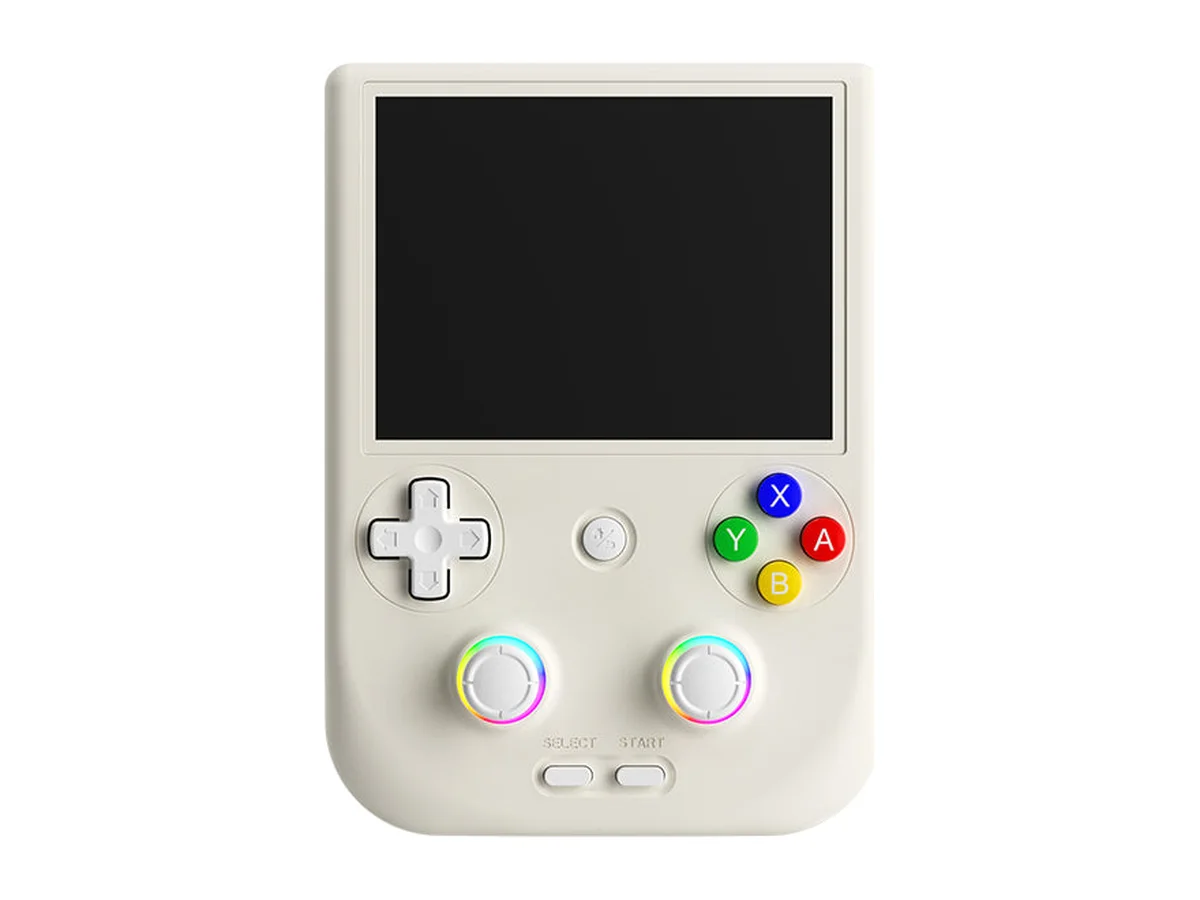
4:3 vs 16:9 handheld screens: which shape fits your games?
4:3 or 16:9 screen on a retro handheld? Which systems fill each shape, how integer scaling works, and the best handheld for each screen shape.
Read the guideScores and rankings follow public formulas, explained in our methodology. Spotted a mistake? Use the contact page.