Linux vs Android handhelds: which one should you buy?
Every emulation handheld runs either a lightweight Linux system or Android. The choice decides your budget, the systems you can play and how much tinkering you will do. Here is how the two camps compare, with the models we rate highest in each.


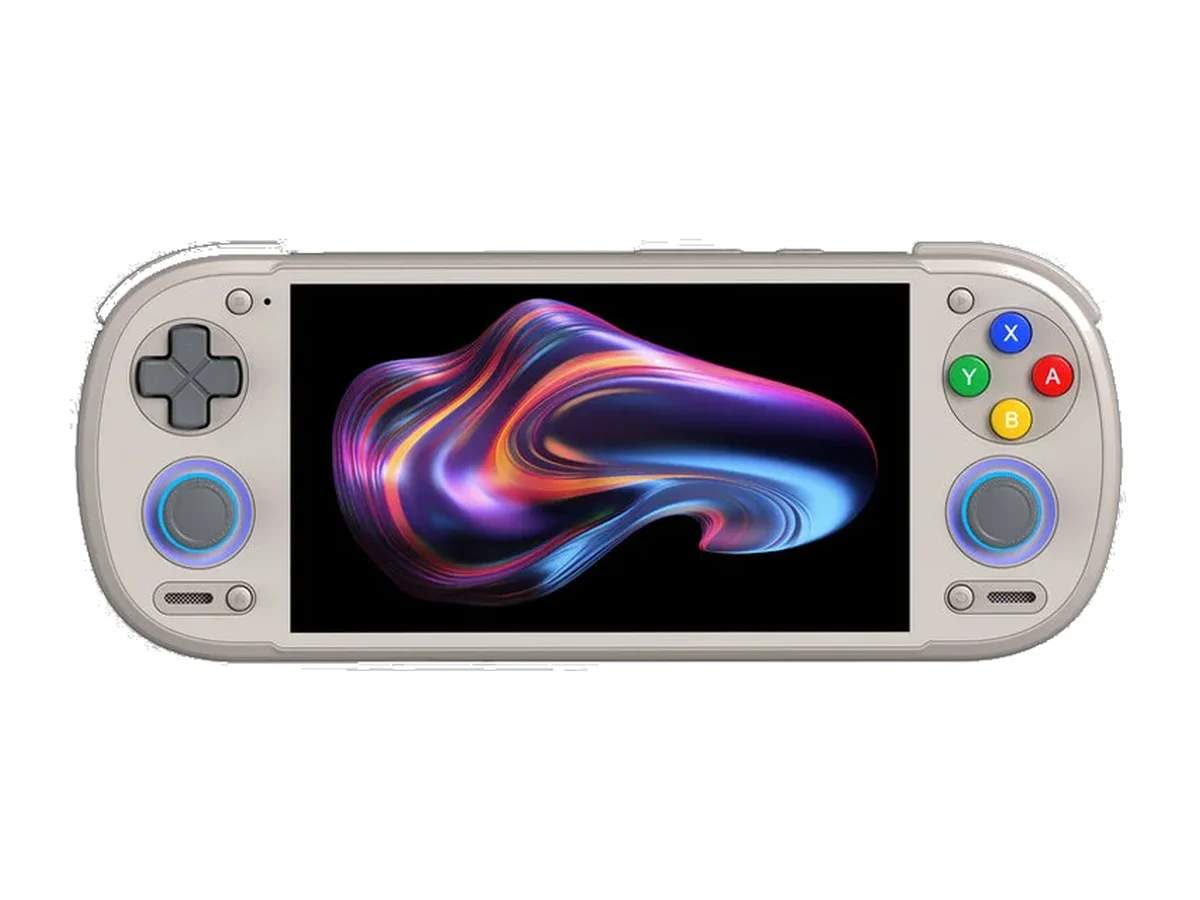
Retroid Pocket 59.2/10Read the review
The short version
| Linux handhelds | Android handhelds | |
|---|---|---|
| Price in our catalogue | $49 to $86 | $99 to $359 |
| Typical chips | Allwinner H700, A133P, RK3566 | Unisoc T820, Snapdragon 865, Snapdragon 8 Gen 2 |
| Comfortable up to | PS1, some N64, Dreamcast and PSP | GameCube and PS2 on the strongest models |
| Startup | Straight into a game menu | Android home screen, then a front-end app |
| Extras | Community firmware | Play Store, streaming apps, Android games |
Prices are the US prices we checked on November 22, 2026 for the handhelds in our catalogue.
Why Linux handhelds are so popular
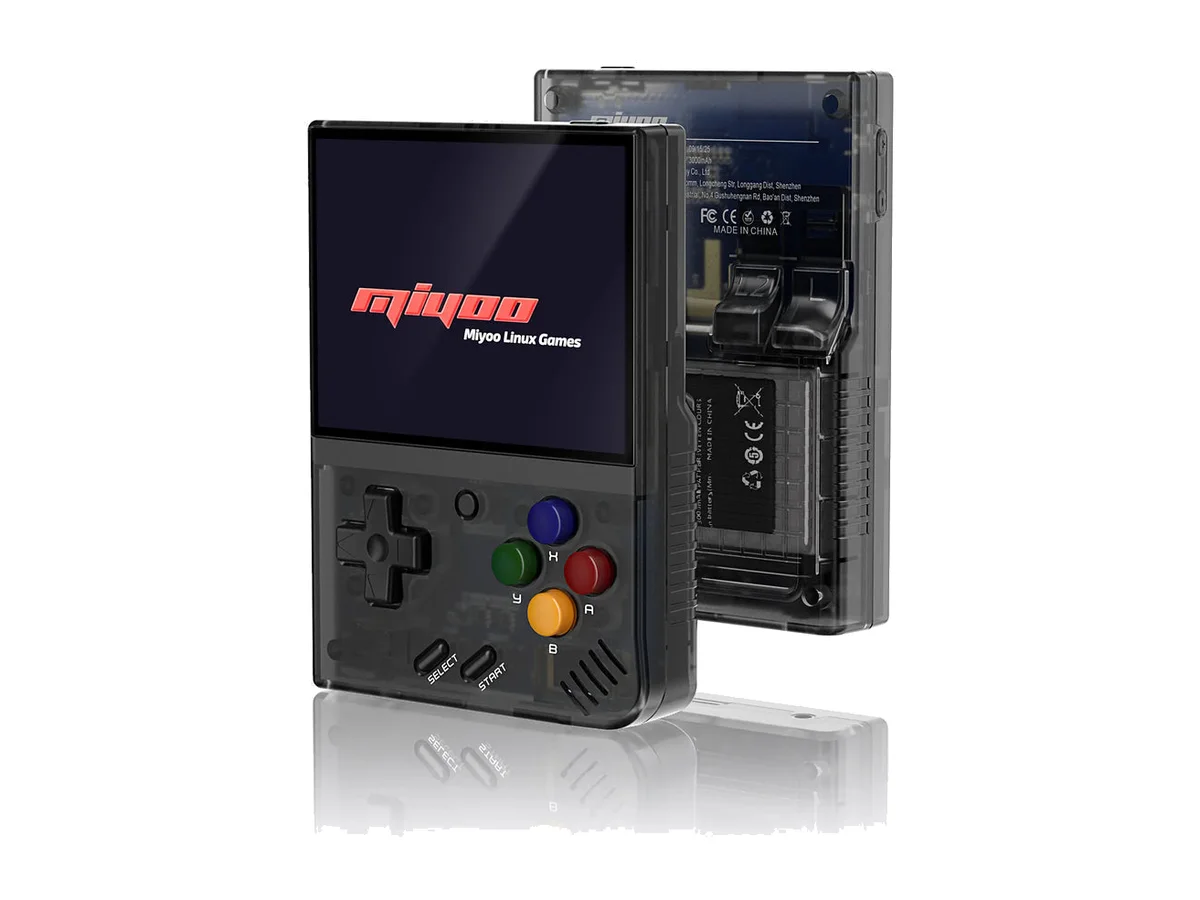
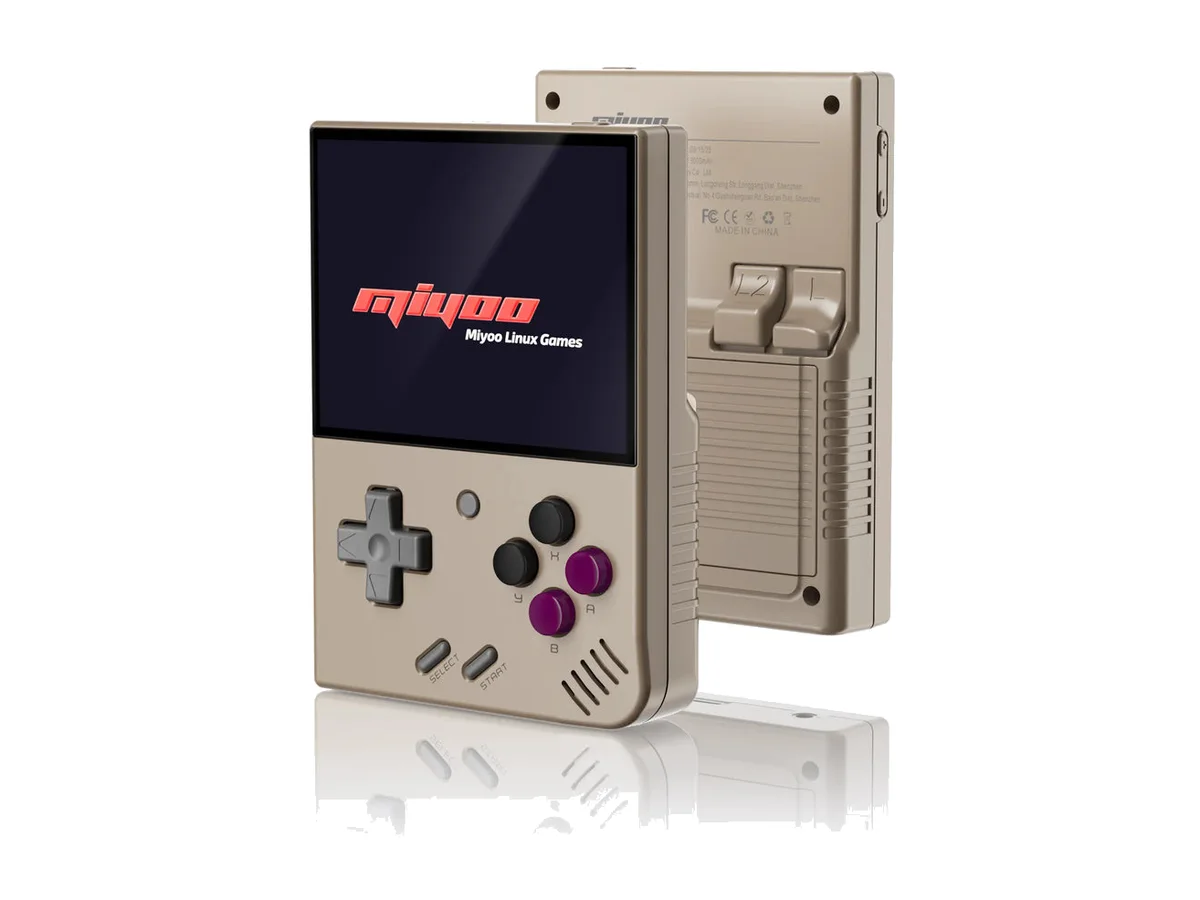
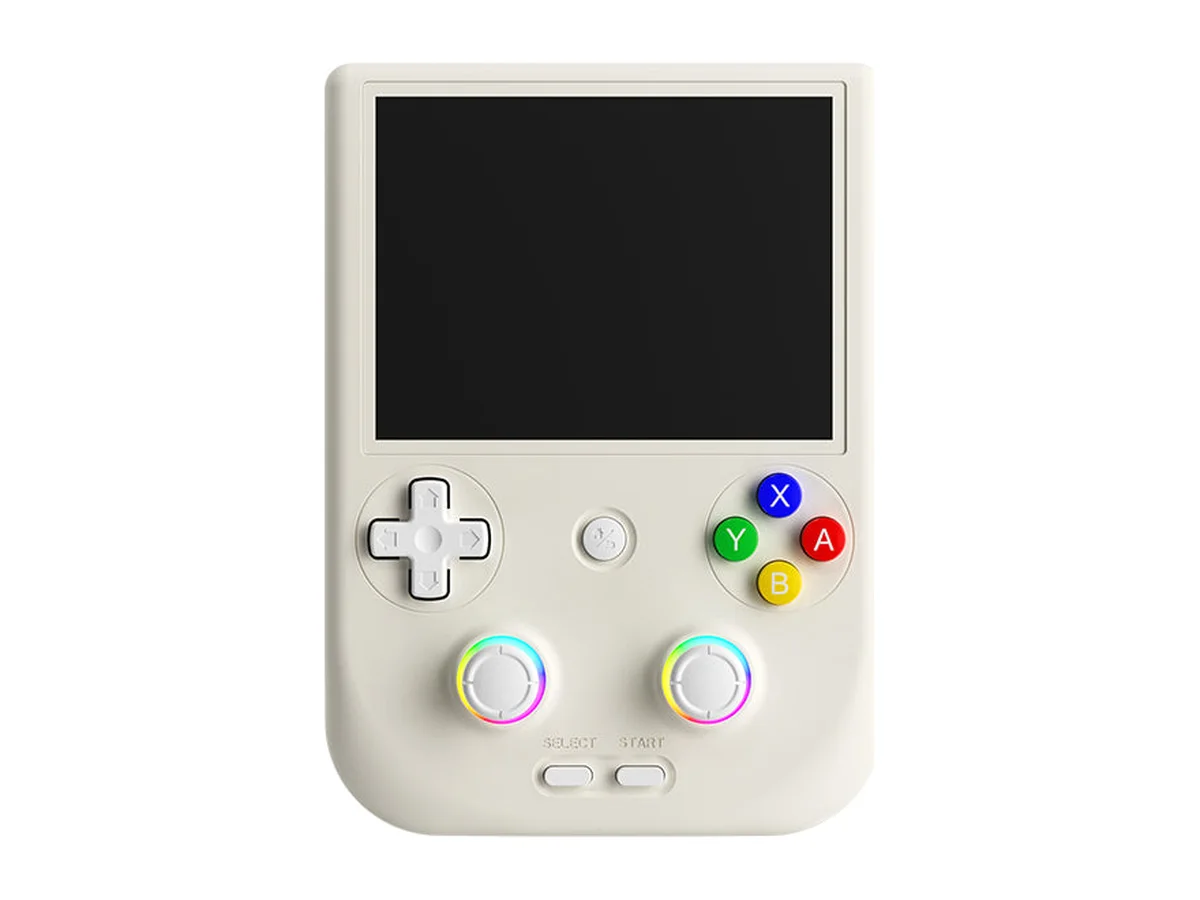
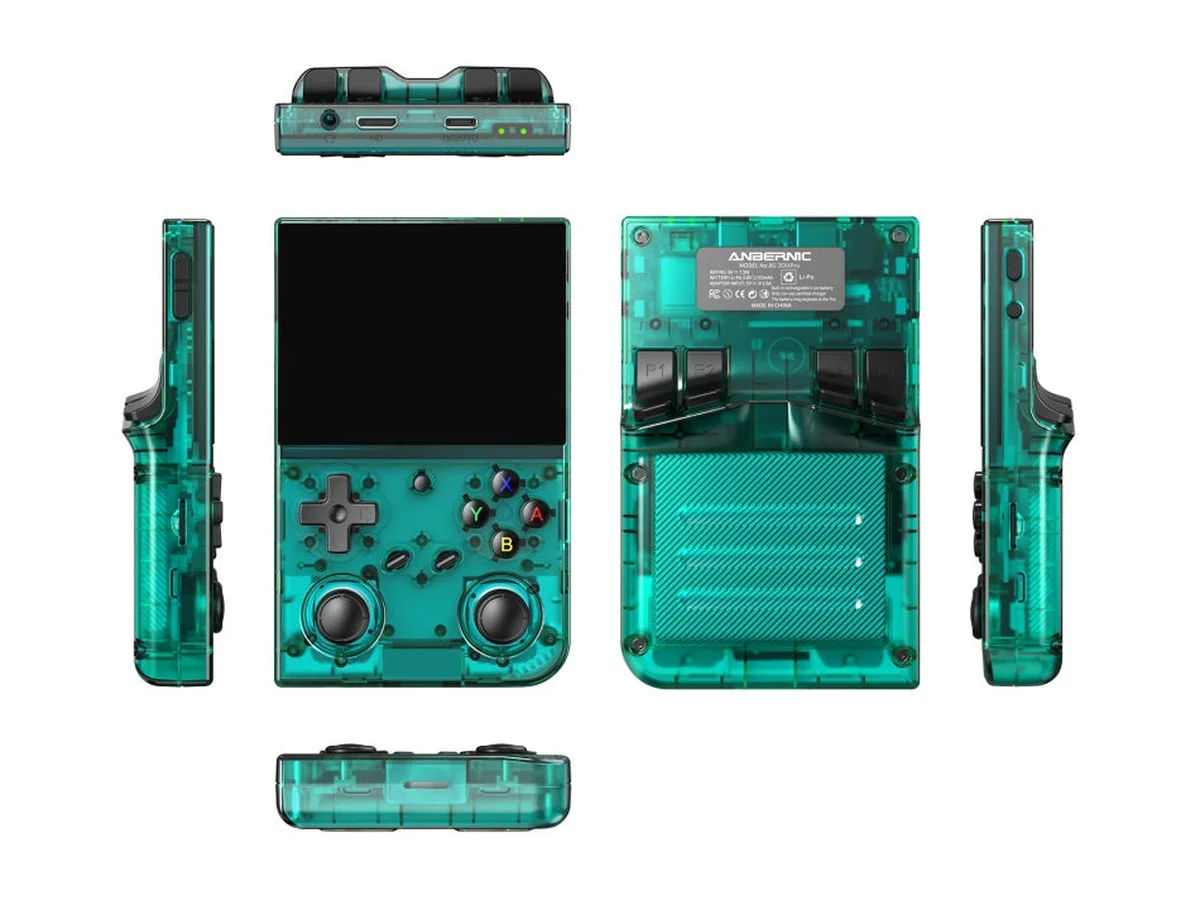
Linux handhelds are built for one thing. You switch them on, a game list appears, you play. There is no account to create and no app store. That simplicity, and a price that often sits under $70, is why the Miyoo Mini Plus and the Anbernic RG35XX Pro are where so many people start.
The other reason is community firmware. Volunteers write replacement systems that add polish, save sync and better menus. Our custom firmware guide explains what that involves.
- Best for: Game Boy, GBA, NES, SNES, Genesis and PS1.
- Battery: 2500 to 5000 mAh in our catalogue, and the chips sip power.
- Limit: anything past PS1 is hit and miss.
What Android adds
Android handhelds are closer to a gaming phone with real buttons. Stronger chips open the door to GameCube and PS2, and the Android ecosystem brings standalone emulators, game streaming apps and the Play Store.
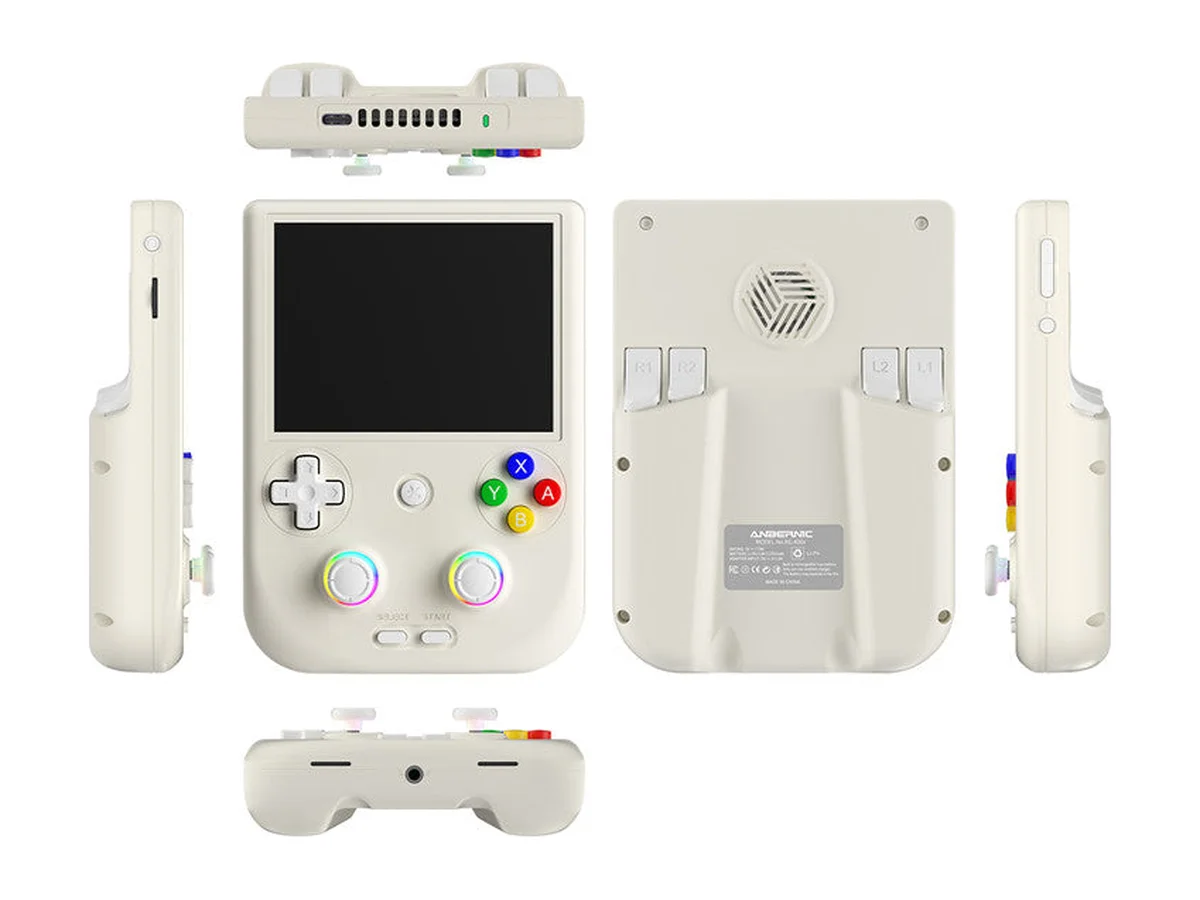
The chip decides almost everything. A Unisoc T820, as in the Anbernic RG406V, handles PSP and Dreamcast well. A Snapdragon 865, as in the Retroid Pocket 5, opens GameCube and a large part of PS2. A Snapdragon 8 Gen 2, as in the Retroid Pocket 6, handles the heaviest PS2 games.
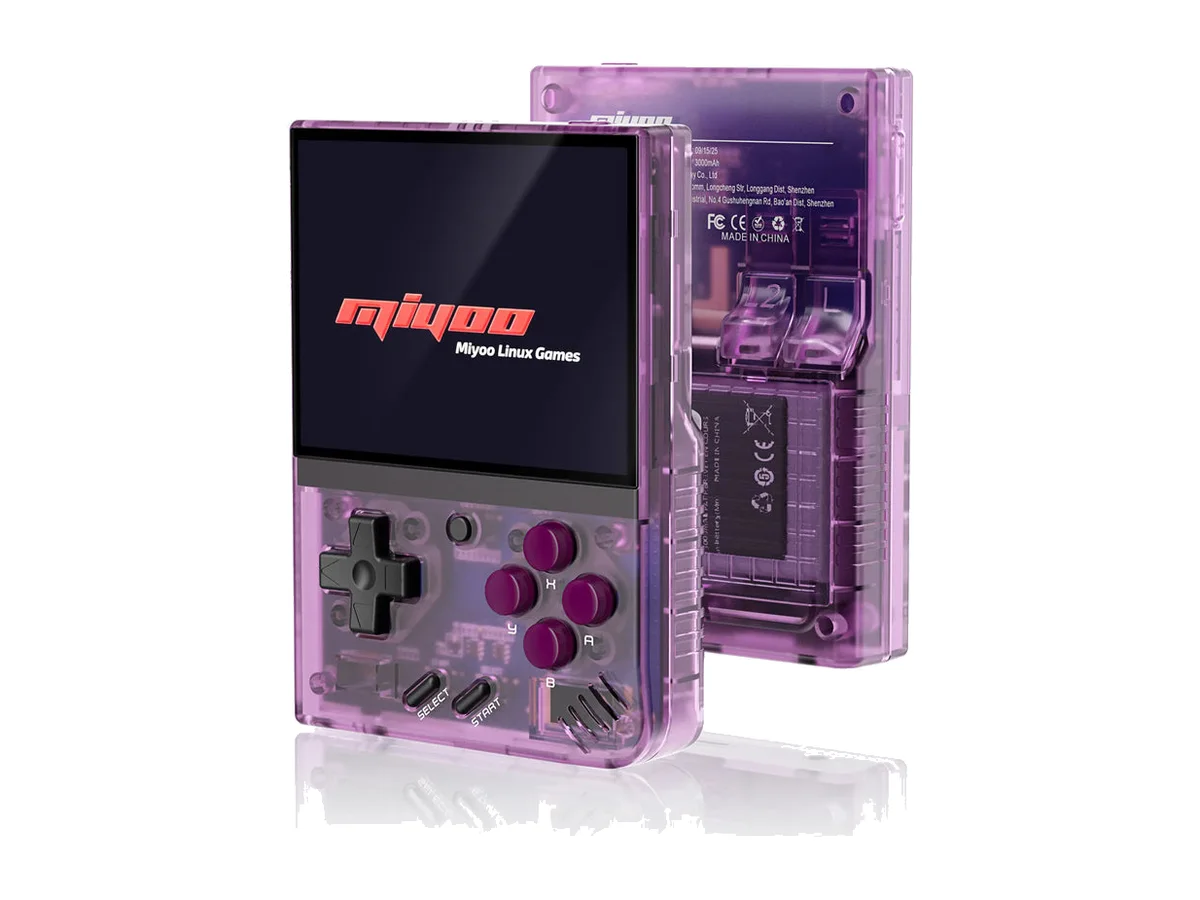
Miyoo Mini Plus7.7/10Read the review
How to choose in three questions
- What is the newest console you want to play? Up to PS1: Linux is enough. PSP and Dreamcast: Android with a T820 or better. GameCube and PS2: Snapdragon 865 or better.
- Which shape will you hold? Vertical for 2D, horizontal for 3D, clamshell for the pocket.
- What is your budget? Linux from about $50, Android from about $100, Snapdragon flagships from $180 to $360.
Our handheld finder asks the same three questions and returns the best-rated match.
Our picks in each camp
On Linux, the Anbernic RG35XX Pro leads our scores, with the Miyoo Flip V2 close behind for a clamshell. On Android, the Retroid Pocket 5 is the sweet spot and the Retroid Pocket 6 tops the family.
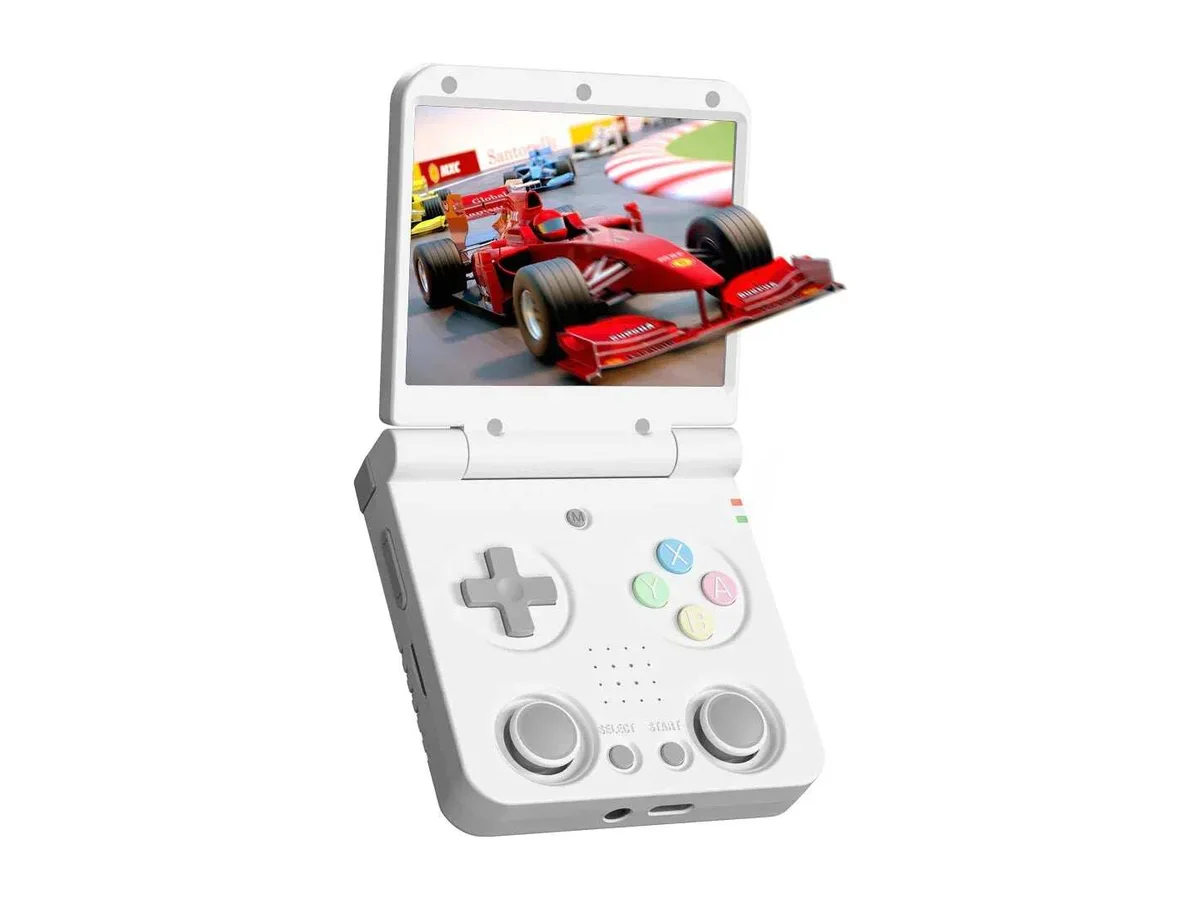 Linux handheldMiyoo Flip V2
Figures from official manufacturer spec sheets and US prices checked on November 22, 2026. Images: manufacturers and Amazon. Scoring: see our methodology.
Our selection
Three rated handhelds mentioned in this guide, at checked US prices.
Frequently asked questions
Is Android or Linux better for a retro handheld?
Linux is cheaper and simpler and covers everything up to PS1. Android costs more and adds power for GameCube and PS2, plus apps.
Can a Linux handheld play PS2?
Not in practice. The chips in Linux handhelds stop around PS1, with some N64, Dreamcast and PSP.
Do Android handhelds need a Google account?
Only for the Play Store. Emulators and front-ends can be installed and used without one on most models.
Which is better for beginners?
A Linux handheld: it boots into games and costs less. Move to Android when you want newer systems.