Retro handheld buying and setup guides
Understand the handheld before you buy: Linux or Android, what each chip can emulate, screen shapes, SD cards, custom firmware and the legal way to fill it with games. Every figure comes from an official spec sheet or a dated US price.
Getting started
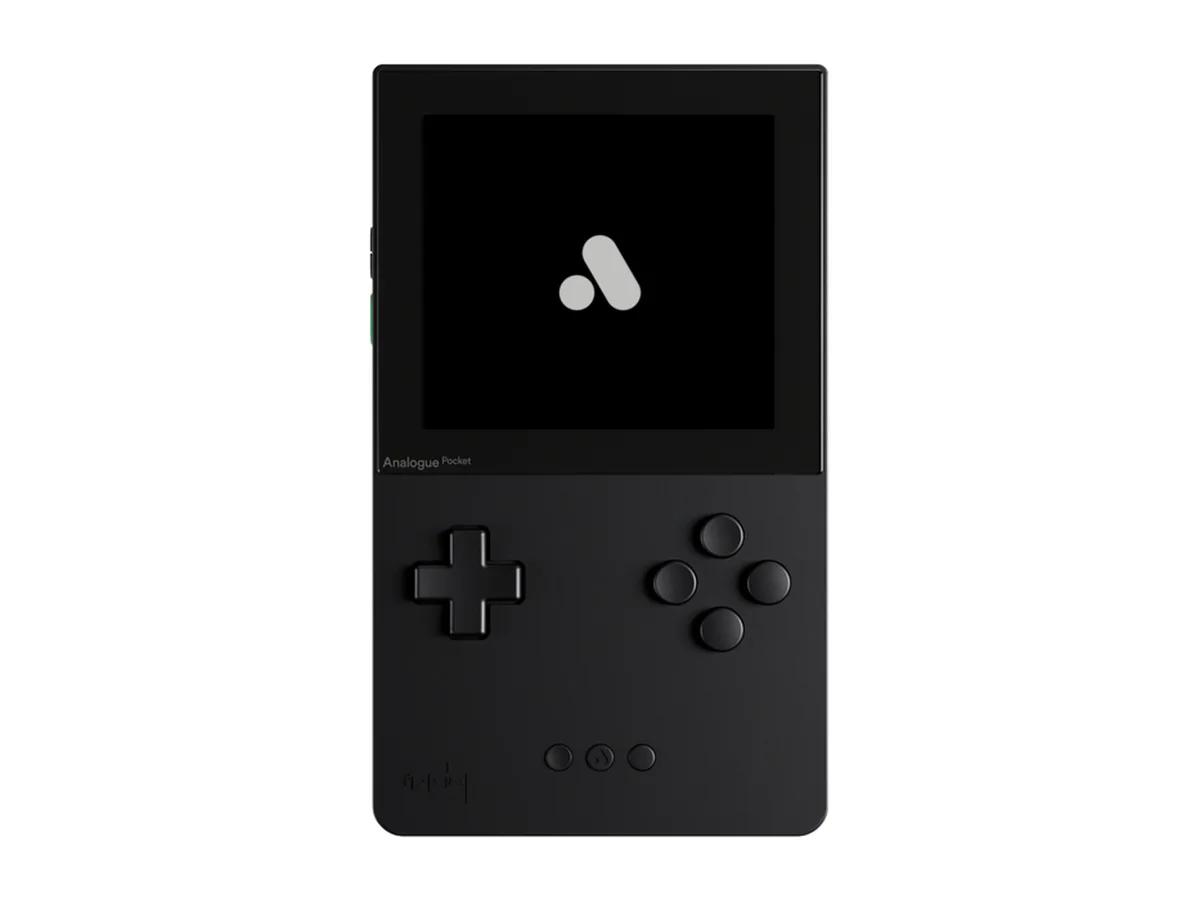
Buying advice
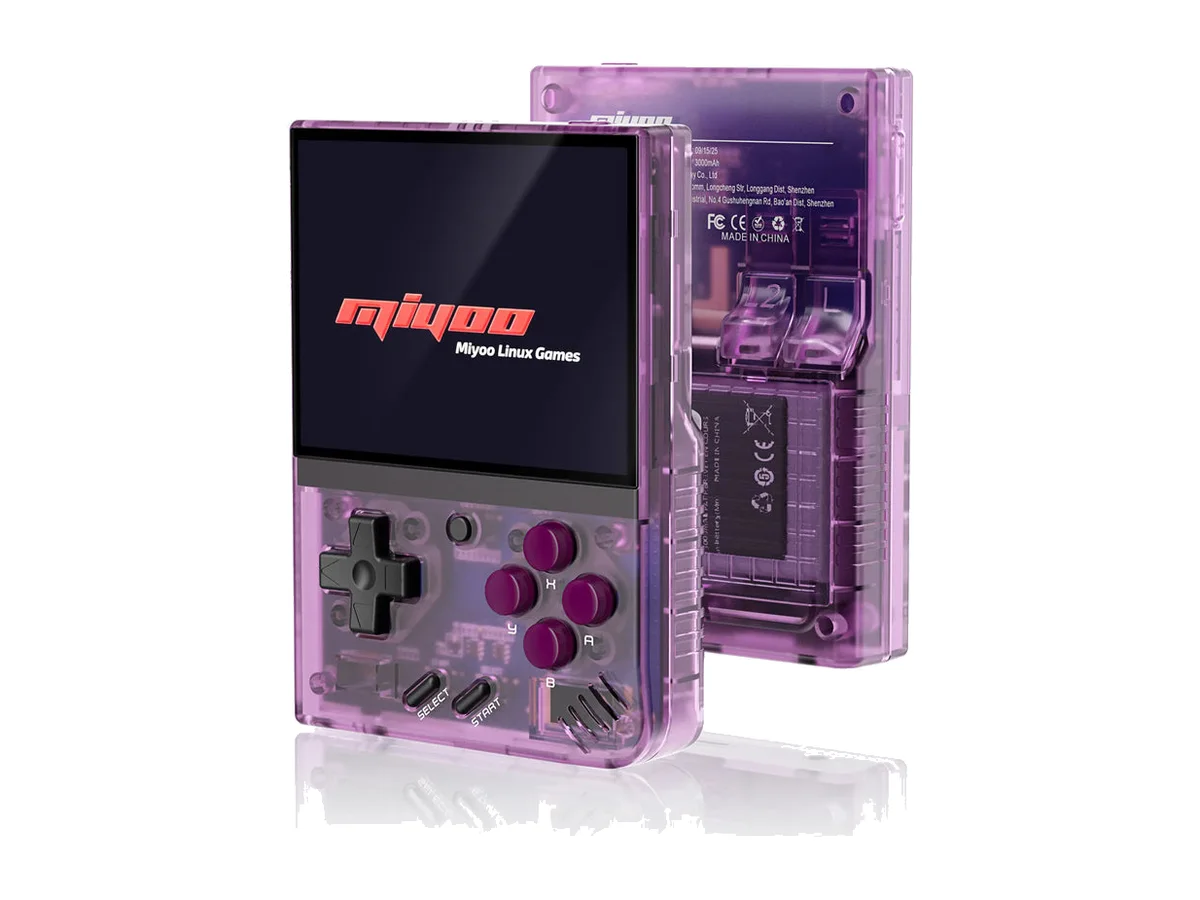
Linux vs Android handhelds: which one should you buy?
Linux or Android retro handheld? Price, emulation power, battery, setup and software compared, with US prices and the best model in each camp.
Read the guide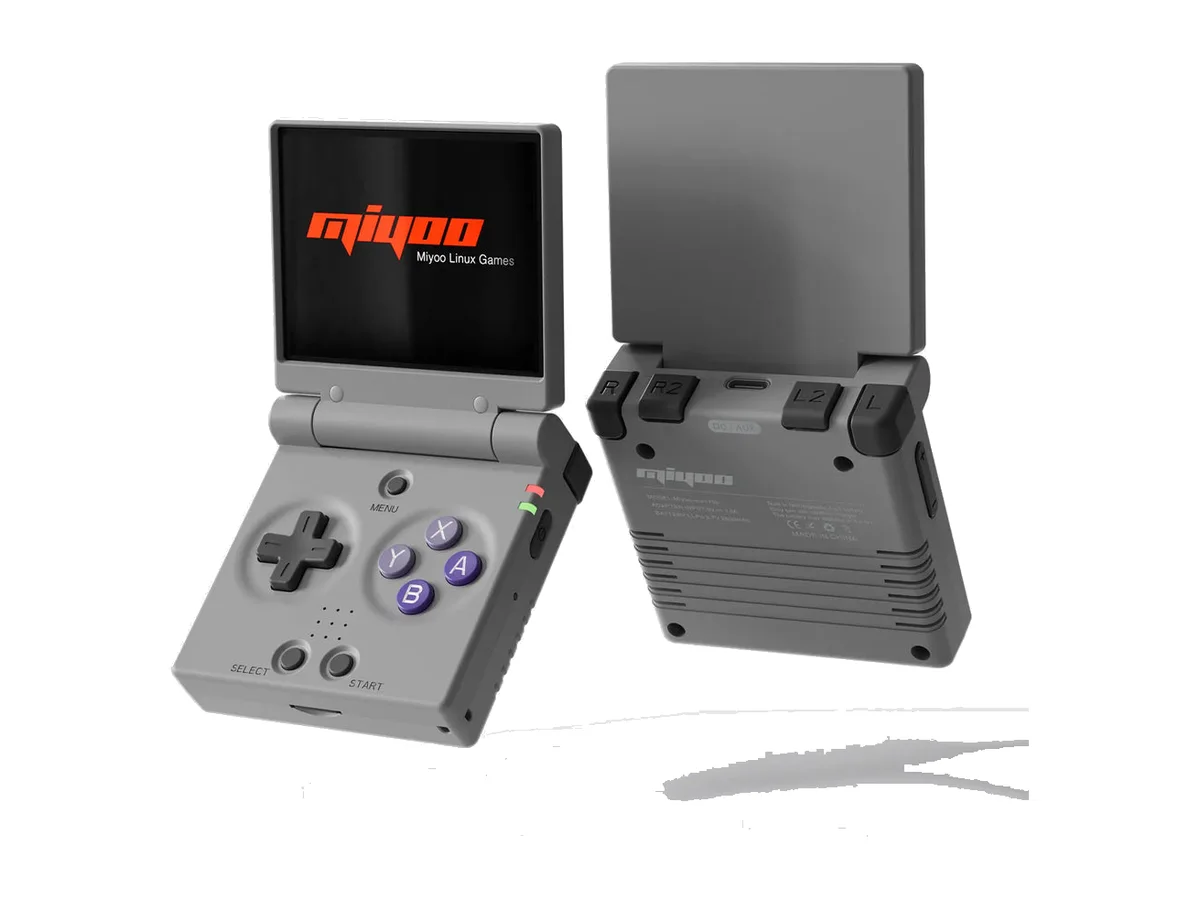
What can a retro handheld emulate? Chip by chip
From Game Boy to PS2: which systems each retro handheld chip can run, explained with our emulation classes and the handhelds that fit each one.
Read the guide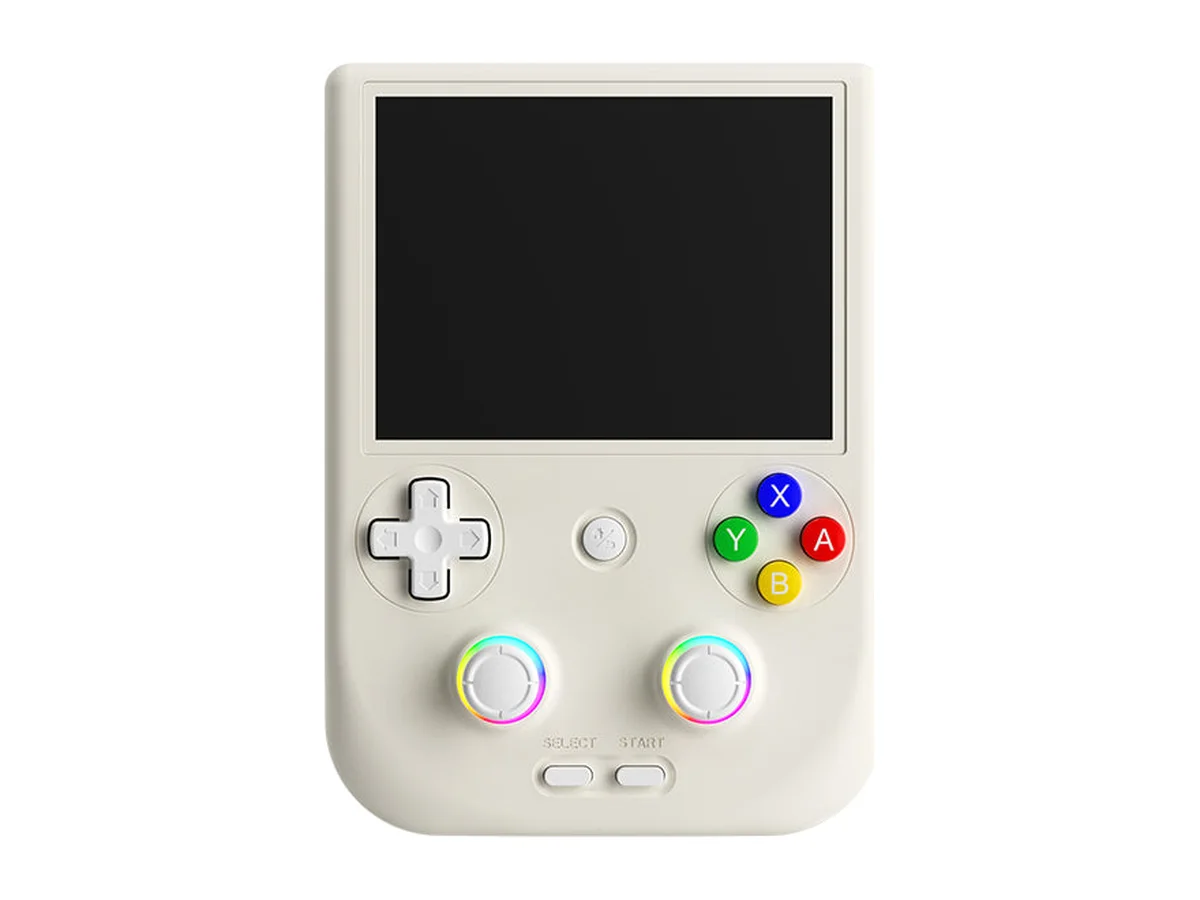
4:3 vs 16:9 handheld screens: which shape fits your games?
4:3 or 16:9 screen on a retro handheld? Which systems fill each shape, how integer scaling works, and the best handheld for each screen shape.
Read the guideSetup
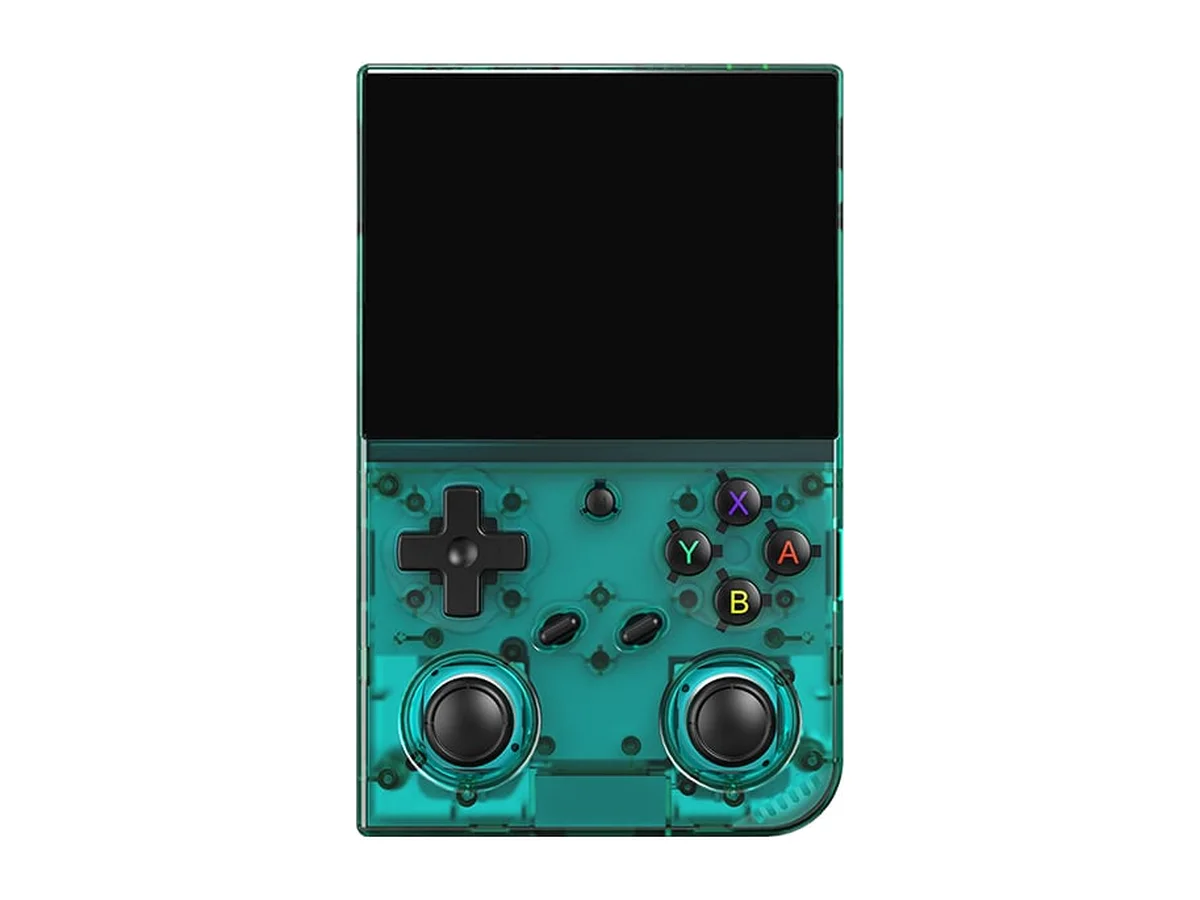
Best SD card for a retro handheld: what to look for
Which microSD card for a retro handheld? Capacity per system, speed ratings that matter, brands to trust and the mistakes that corrupt saves.
Read the guide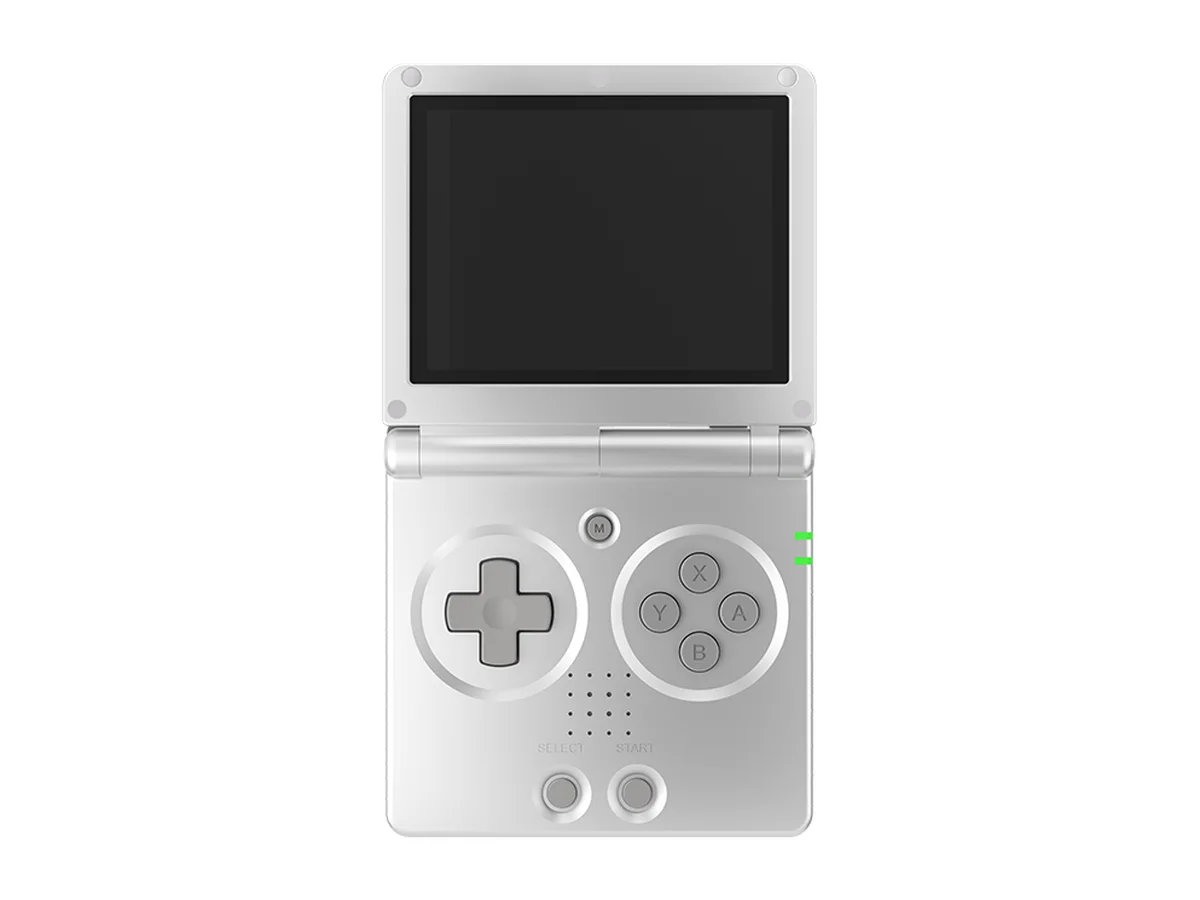
Custom firmware for retro handhelds, explained
What custom firmware does on a Miyoo Mini Plus or an Anbernic handheld, the risks, how to install it safely, and when to keep the stock system.
Read the guideImages: manufacturers and Amazon.