What can a retro handheld emulate? Chip by chip
The chip decides which consoles a handheld can play well. This guide sorts the chips used in today's retro handhelds into the six emulation classes of our methodology, and shows which systems you can expect at each level, with the handhelds that belong to it.

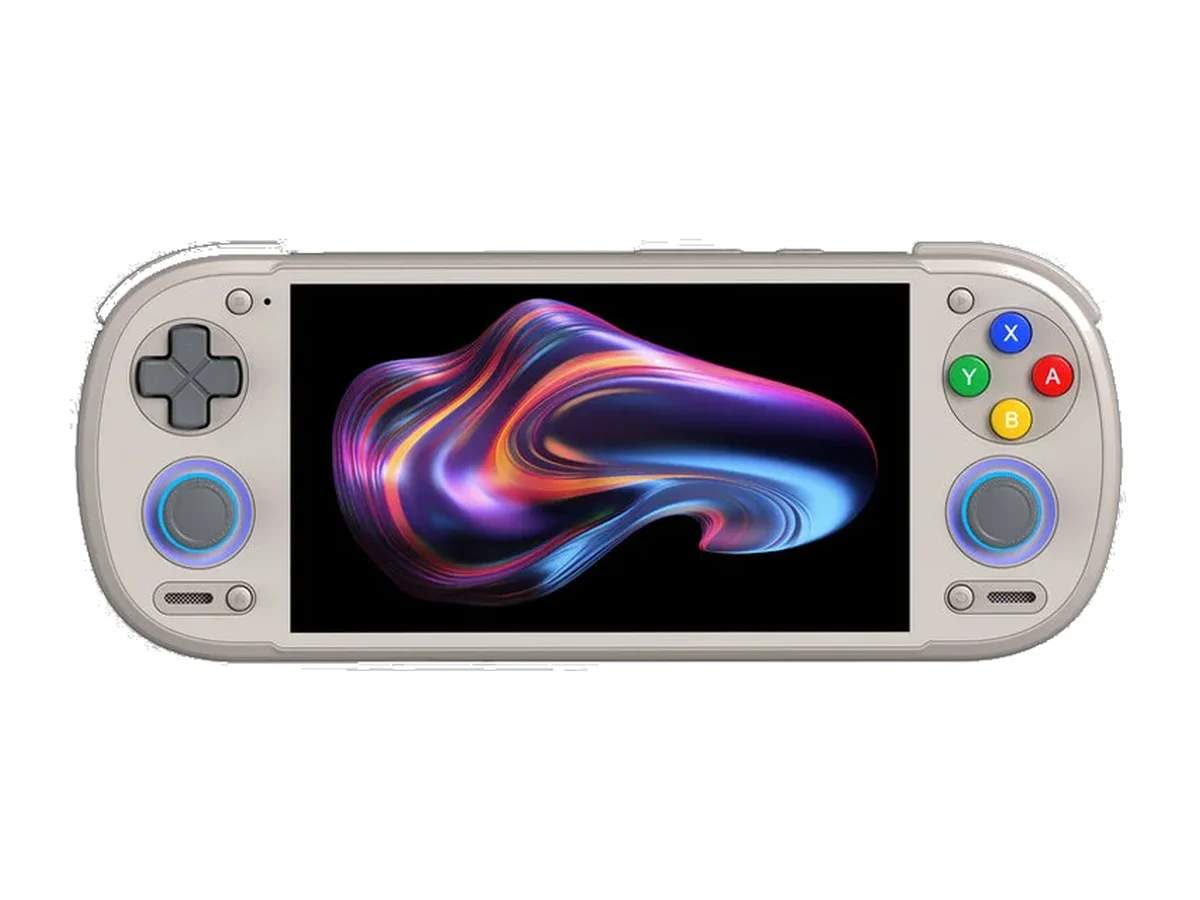
Retroid Pocket 69.5/10Read the review
Our emulation classes
We read the chip on each official spec sheet and place it in one of six classes. The class is one of the main criteria of our methodology.
| Class | Typical chips | What plays well | Handhelds |
|---|---|---|---|
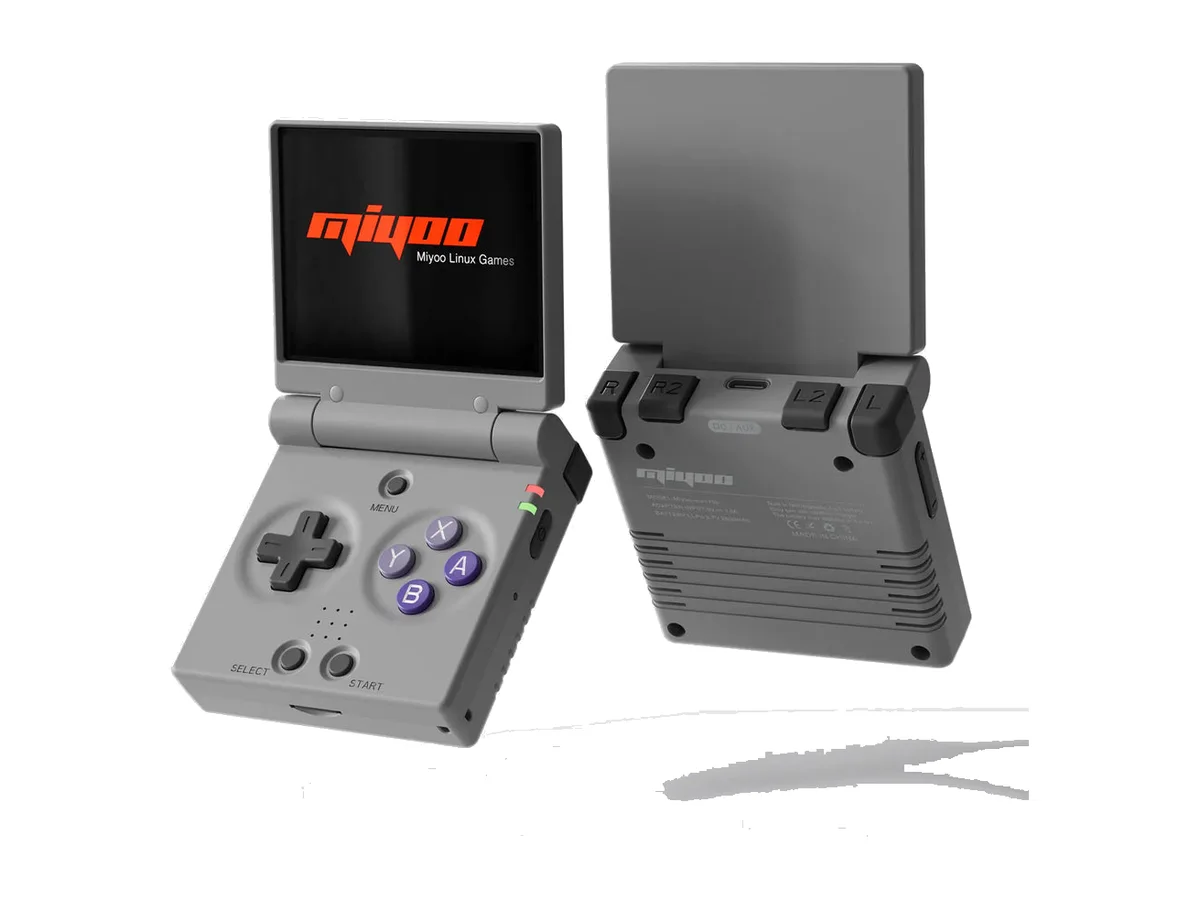
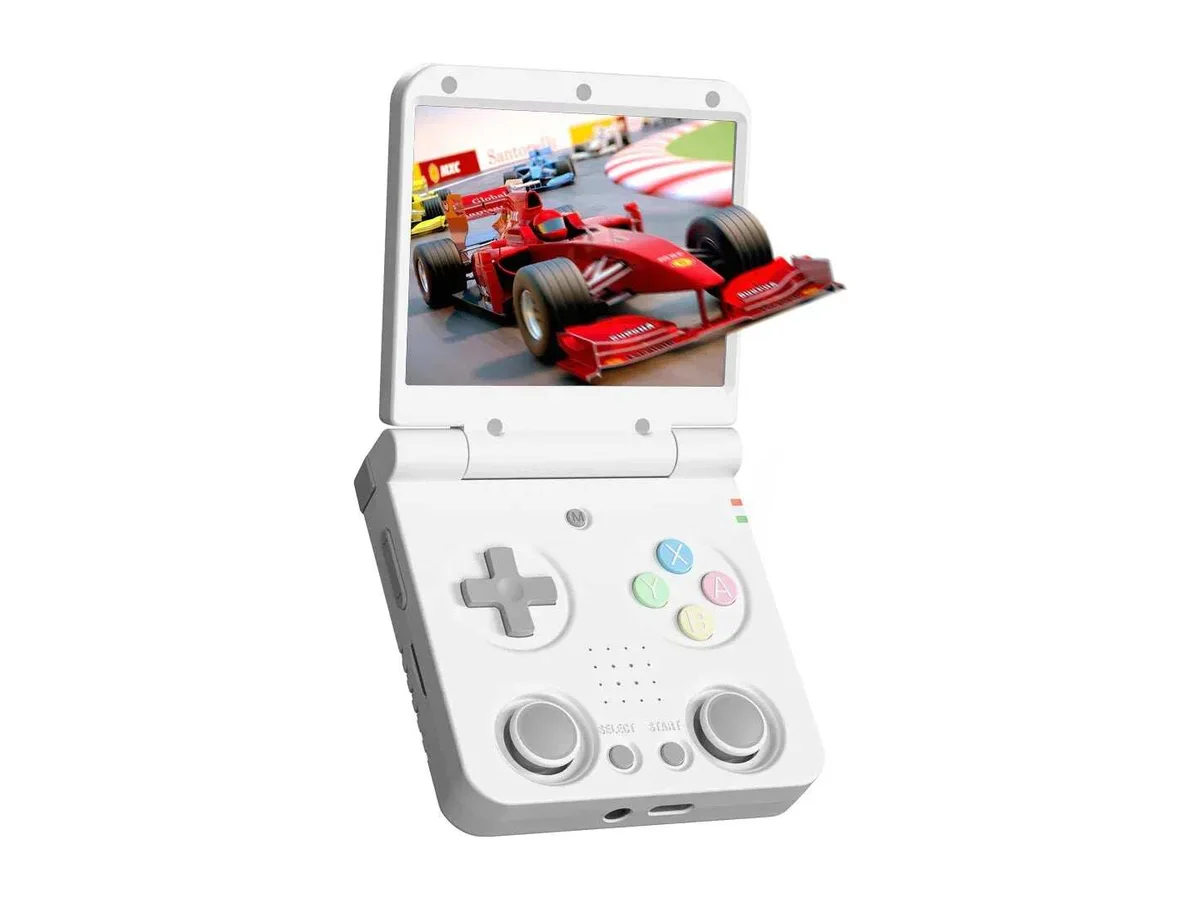
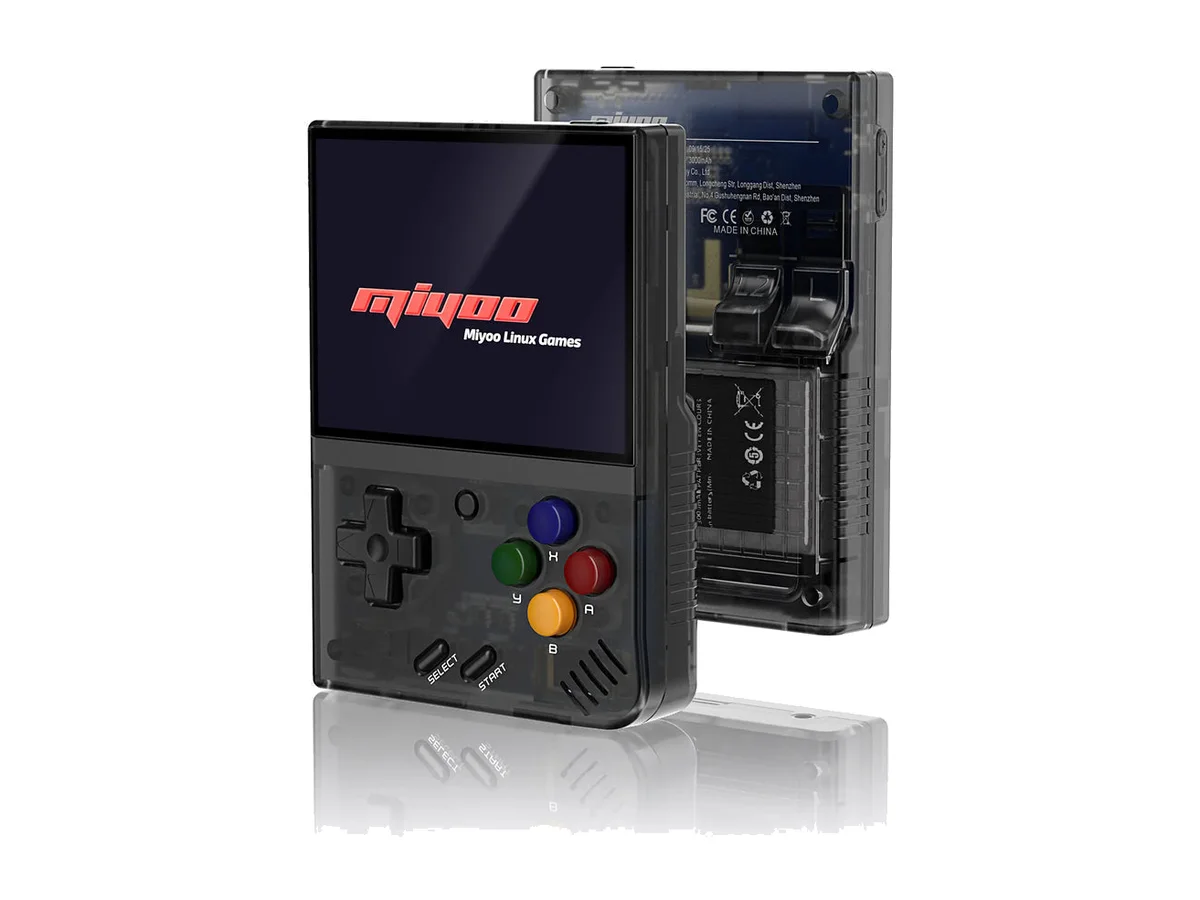
| 1 | SigmaStar SSD202D | Up to PS1 | Miyoo Mini Plus, Miyoo Mini Flip |
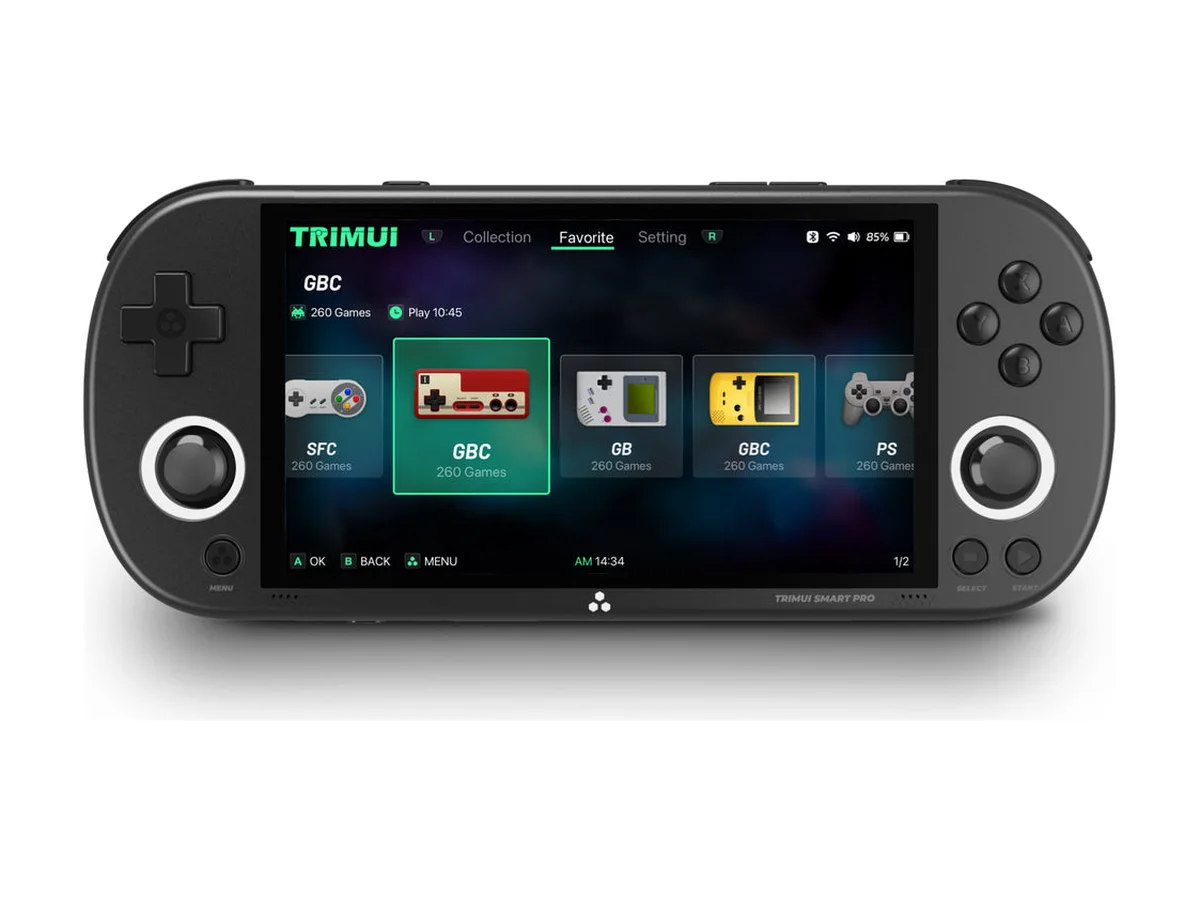
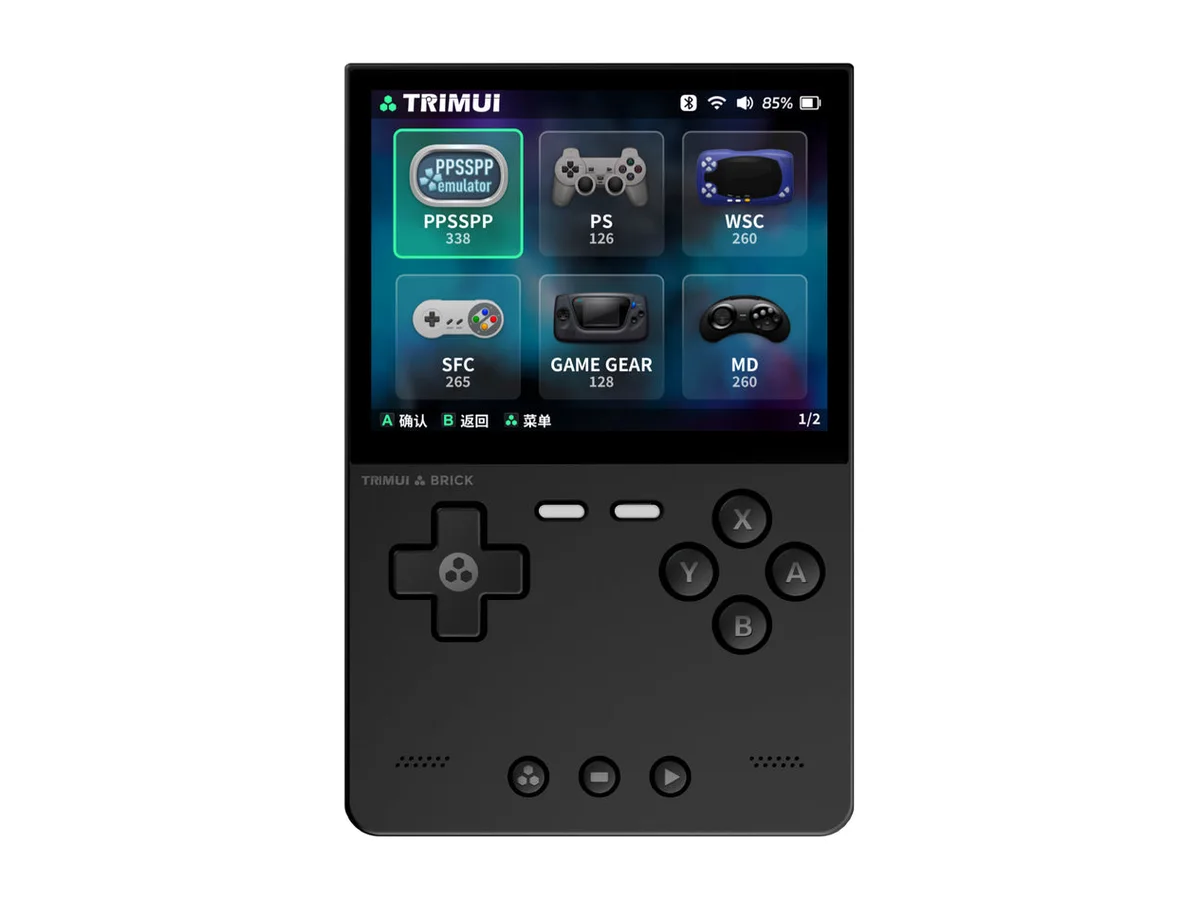
| 2 | Allwinner H700, A133P | PS1 comfortably, early N64, Dreamcast and PSP | RG35XX Pro, RG35XX SP, TrimUI Smart Pro, TrimUI Brick |
| 2.5 | Rockchip RK3566 | Same as class 2 with more headroom | Miyoo Flip V2 |
| 3 | Unisoc T820, Snapdragon G1 Gen 2 | PSP, Dreamcast, N64 broadly; lighter GameCube and PS2 | RG406V, RG476H, Pocket Classic |
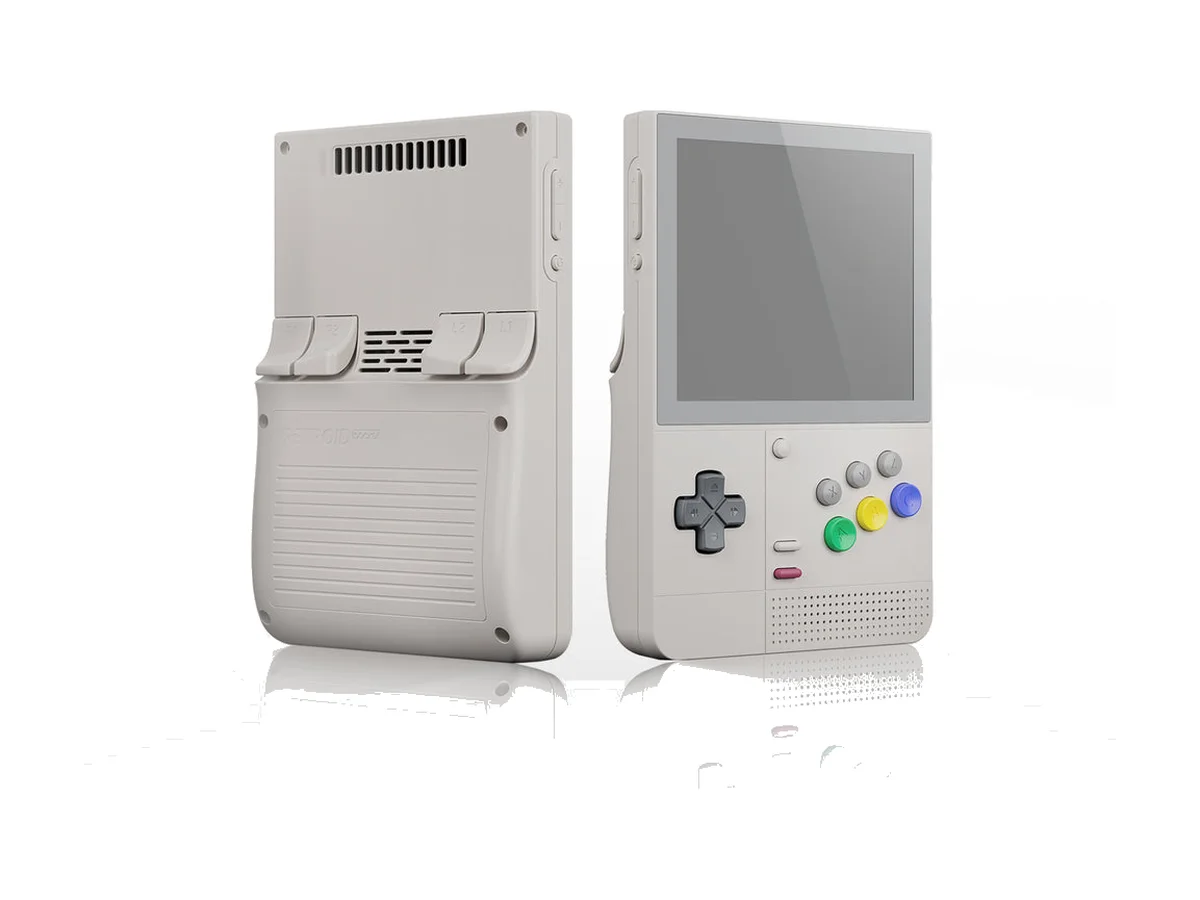
| 4 | Snapdragon 865 | GameCube and a large share of PS2 | Retroid Pocket 5, Pocket Flip 2 |
| 4.5 | MediaTek Dimensity 8300 | GameCube and PS2 with headroom | Anbernic RG557 |
| 5 | Snapdragon 8 Gen 2 | Heaviest PS2 and GameCube at higher resolutions | Retroid Pocket 6, Odin 2 Portal, AYN Thor |
The 8-bit and 16-bit era: everything plays
NES, SNES, Genesis, Master System, PC Engine, Game Boy, Game Boy Color and Game Boy Advance run on every handheld in our catalogue, even the $50 ones. For these systems, the screen and the controls matter far more than the chip.
PS1, N64, Dreamcast and PSP
PS1 is the sweet spot of cheap handhelds: class 1 chips already run most of the library. N64, Dreamcast and PSP are harder, because each needs more power and some games lean on tricks that are hard to emulate.
- Class 2 handles early 3D and lighter PSP games, with frame drops in the heaviest titles.
- Class 3 runs most N64, Dreamcast and PSP games well.
- Analog sticks matter here: many of these games were designed for them.
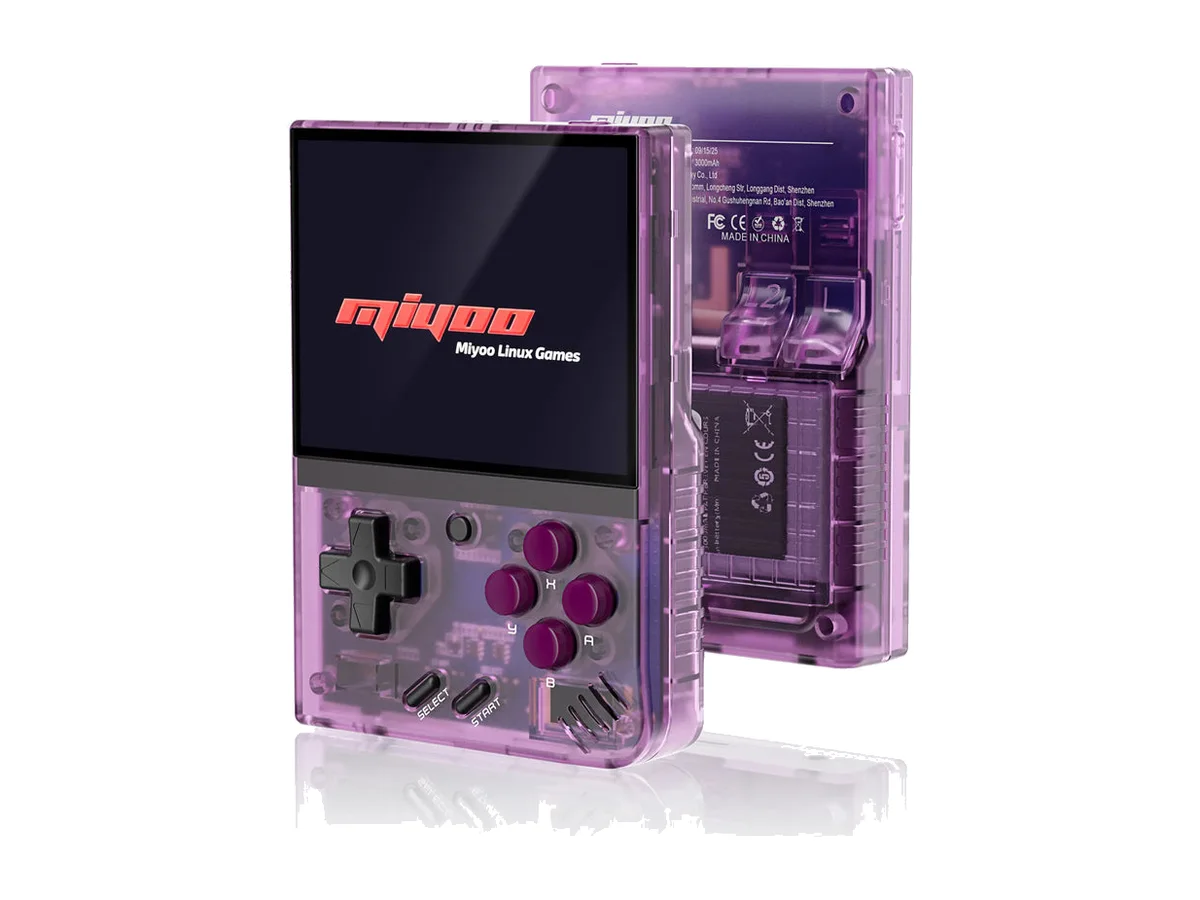
Miyoo Mini Plus7.7/10Read the review
GameCube and PS2: where chips separate
GameCube and PS2 are the big step. In our table, PS2 becomes broadly playable at class 4, the Snapdragon 865 tier, and the heaviest games want class 5. Our best PS2 handheld ranking only includes handhelds at class 4 and above.
Beyond: DS, 3DS and dual screens
DS games run on most class 2 handhelds and up, but two screens on one display is a compromise. The AYN Thor has two physical screens, and the Anbernic RG476H can split them across its screen and a monitor, according to Anbernic.
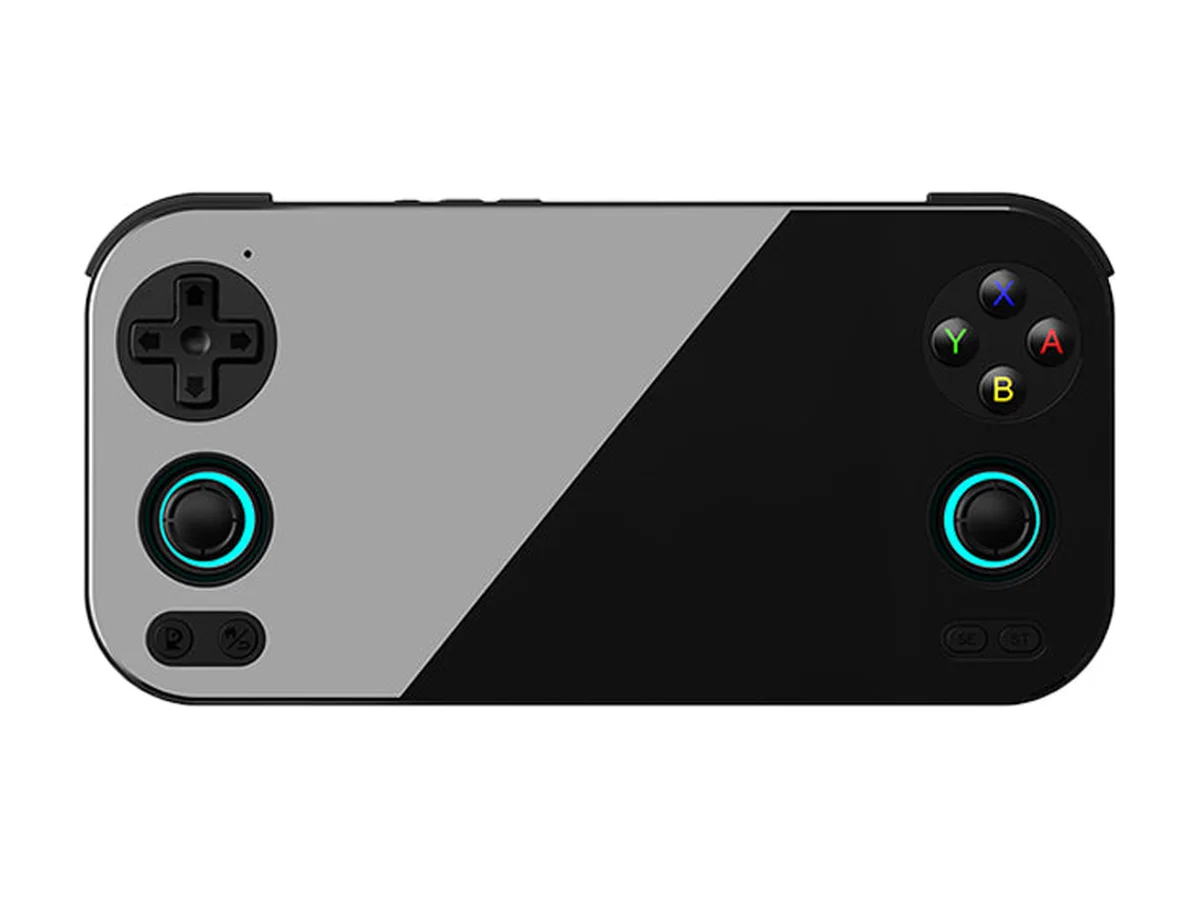 Android handheldAnbernic RG476H
Figures from official manufacturer spec sheets and US prices checked on November 22, 2026. Images: manufacturers and Amazon. Scoring: see our methodology.
Our selection
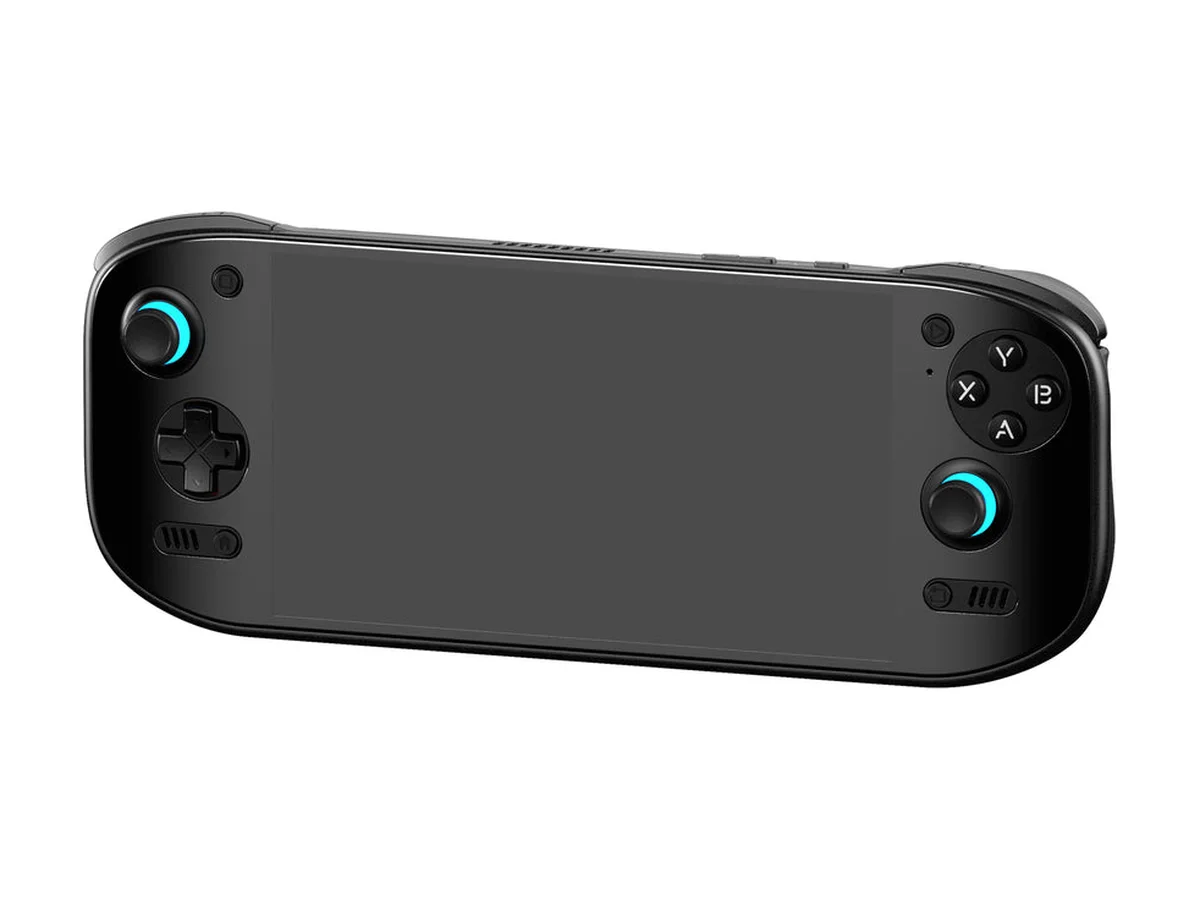
Three rated handhelds mentioned in this guide, at checked US prices.

Frequently asked questions
Can a $50 handheld play PS1?
Yes. Every handheld in our catalogue plays PS1, including the cheapest Linux models.
What do I need for PS2?
A Snapdragon 865 (class 4) at least, and a Snapdragon 8 Gen 2 (class 5) for the heaviest games.
Does more RAM help emulation?
Less than the chip. RAM matters for Android multitasking; the processor and graphics decide how far emulation goes.
Where do the games come from?
From the cartridges and discs you own, homebrew and official releases. Our legal guide explains each route.